Nairobi National Park
🇰🇪 Kenya
🦁 Spot Wild Lions Overlooking SkyscrapersNairobi National Park sits on the southern fringe of Kenya’s capital, a tropical savanna framed by acacia woodlands and the Mbagathi River. The open grasslands host herds of impala and hartebeest that graze at dawn, while Nile crocodiles sun themselves on the river’s sandbanks.
-1.358° S 36.843° E
Wildlife
⭐ Iconic Species
 ★
★  White Rhinoceros
Ceratotherium simum
 ★
★  Lion
Lion
Panthera leo
 ★
★  East African Giraffe
Giraffa tippelskirchi
📊 Most Spotted

 Impala
Aepyceros melampus

 Hartebeest
Alcelaphus buselaphus

 Egyptian Goose
Alopochen aegyptiaca

 Nile Crocodile
Crocodylus niloticus

 African Sacred Ibis
Threskiornis aethiopicus

 Common Ostrich
Struthio camelus

 Blacksmith Lapwing
Vanellus armatus

 Common Bulbul
Pycnonotus barbatus

 Long-tailed Fiscal
Lanius cabanisi

 Helmeted Guineafowl
Numida meleagris

 Vervet Monkey
Chlorocebus pygerythrus

 White-backed Vulture
Gyps africanus
⭐ Iconic Species
★ White Rhinoceros
Ceratotherium simum
★ Lion
Panthera leo
★ East African Giraffe
Giraffa tippelskirchi
📊 Most Spotted
Impala
Aepyceros melampus
Hartebeest
Alcelaphus buselaphus
Vervet Monkey
Chlorocebus pygerythrus

 Olive Baboon
Papio anubis

 Common Eland
Taurotragus oryx

 Common Warthog
Phacochoerus africanus

 Plains Zebra
Equus quagga

 Yellow-spotted Rock Hyrax
Heterohyrax brucei

 Common Hippopotamus
Hippopotamus amphibius

 Grant's Gazelle
Nanger granti

 Blue Monkey
Cercopithecus mitis

 Spotted Hyena
Crocuta crocuta
📊 Most Spotted
Egyptian Goose
Alopochen aegyptiaca
African Sacred Ibis
Threskiornis aethiopicus
Common Ostrich
Struthio camelus
Blacksmith Lapwing
Vanellus armatus
Common Bulbul
Pycnonotus barbatus
Long-tailed Fiscal
Lanius cabanisi
Helmeted Guineafowl
Numida meleagris
White-backed Vulture
Gyps africanus

 Black Kite
Milvus migrans

 Superb Starling
Lamprotornis superbus

 Red-billed Oxpecker
Buphagus erythrorhynchus

Hadada
Bostrychia hagedash
📊 Most Spotted
Nile Crocodile
Crocodylus niloticus

 Leopard Tortoise
Stigmochelys pardalis

 Nile Monitor
Varanus niloticus

 Kenyan Rock Agama
Agama lionotus
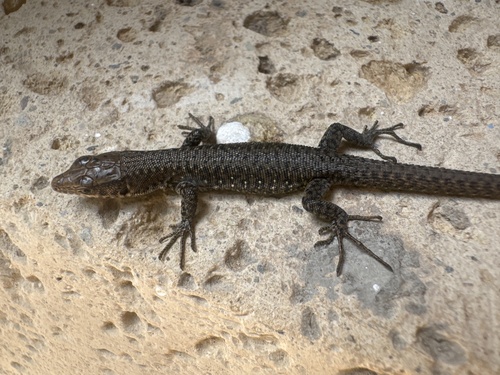
 Jackson's Forest Lizard
Adolfus kibonotensis

 Tropical House Gecko
Hemidactylus mabouia

 Serrated Hinged Terrapin
Pelusios sinuatus

 African Striped Skink
Trachylepis striata

 Side-striped Chameleon
Trioceros bitaeniatus
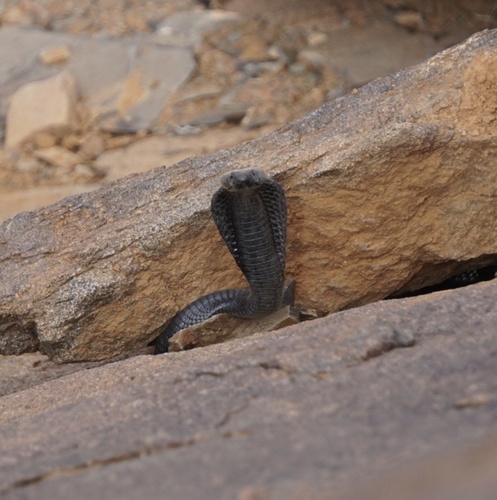
 Black-necked Spitting Cobra
Naja nigricollis

 Gregory's Blue-headed Agama
Acanthocercus gregorii

 Puff Adder
Bitis arietans
📊 Most Spotted

 Common Reed Frog
Hyperolius viridiflavus

 African Clawed Frog
Xenopus laevis

 African Common Toad
Sclerophrys gutturalis

 Anchieta's Ridged Frog
Ptychadena anchietae

Marsabit Clawed Frog
Xenopus borealis

Senegal Kassina
Kassina senegalensis

Natal Puddle Frog
Phrynobatrachus natalensis

 Bocage's Tree Frog
Leptopelis bocagii
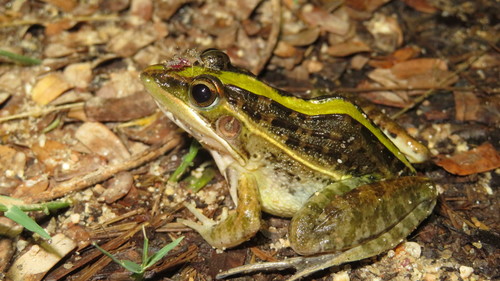
Nile Ridged Frog
Ptychadena nilotica
Recent sightings in Nairobi National Park
LIVEiNaturalistAnimal Events
1White Rhinoceros Breeding Season
During this period, White Rhinoceros exhibits heightened territorial and courtship behaviors across the open plains.
2Black Rhinoceros Calving and Courtship
The bush and thicket areas see increased activity as Black Rhinoceros engage in mating rituals.


3Lion Territorial Mating
Prides become highly vocal and active as Lions patrol and defend their territories during the early year dry season.
Sighting Calendar
Average chance of spotting the park's most-spotted species, month by month
- 1White Rhinoceros Breeding Season
- 2Black Rhinoceros Calving and Courtship
- 3Lion Territorial Mating
Sighting Zones
Warmer areas are where all species together are recorded most often.
Essentials
Climate
What visitors saw
We saw a male lion hiding in a bush eating a dead zebra it had just killed.
There were times where we didn’t see some animals for a while, but while others had total lack of interest in non-“Big Five” animals such as zebras or ostrich, we were ok with lingering if we were at least away from other people.
As we made our way into the interior we saw zebras, giraffes, elands, impalas, gazelles, ostriches, hippos, rhinos, crocodiles, rock hyraxes, and both male and female lions.
We were lucky to see a single monitor lizard at Hippo Pools and an agama-like lizard on the rocky plains.
Quick answers
What animals can you see in Nairobi National Park?
The most likely sightings are Impala (seen by about 90% of wildlife watchers), Hartebeest (seen by about 80% of wildlife watchers), Egyptian Goose (seen by about 80% of wildlife watchers), Nile Crocodile (seen by about 80% of wildlife watchers), African Sacred Ibis (seen by about 80% of wildlife watchers) — among 1266 recorded vertebrate species, based on citizen-science data from GBIF.
When is the best time to visit Nairobi National Park for wildlife?
August has the highest combined sighting rate for the park's top species in our month-by-month GBIF data. The full sighting calendar on this page shows each species' best months.
Can you see White Rhinoceros in Nairobi National Park?
Yes — about 60% of wildlife watchers report a White Rhinoceros sighting in Nairobi National Park, based on 75 verified sightings from GBIF citizen-science data.
Can you see Lion in Nairobi National Park?
Yes — about 50% of wildlife watchers report a Lion sighting in Nairobi National Park, based on 48 verified sightings from GBIF citizen-science data.
Can you see East African Giraffe in Nairobi National Park?
Yes — about 50% of wildlife watchers report a East African Giraffe sighting in Nairobi National Park, based on 53 verified sightings from GBIF citizen-science data.
Where Wildlife Score
How good is this park for seeing wildlife?Biodiversity
Very goodHow rich is the wildlife?
Sighting
ExcellentHow likely to see animals?
Experience
Very goodHow easy and pleasant is the visit?


