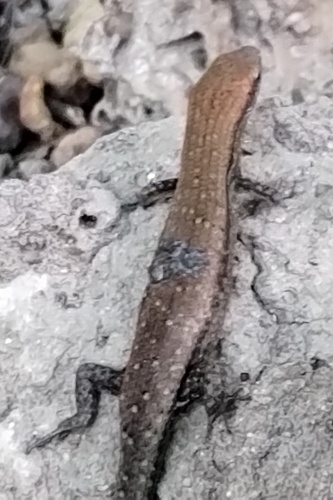

Slender Rainbow Skink
Carlia gracilis
Silhouette: David Orr · PhyloPic
- KingdomAnimalia (Animals)
- PhylumChordata (Chordates)
- ClassSquamata
- FamilyScincidae (Skinks)
- GenusCarlia (Rainbow Skinks)
- SpeciesCarlia gracilis (Slender Rainbow Skink)
15 Verified sightings at Litchfield National Park From 2019 to 2026
20 Verified sightings across all 2 parks From 2019 to 2026
February Best month highest sighting rate
☀️ Diurnal When it's spotted during daytime hours (6am–6pm)
About the Slender Rainbow Skink
Carlia gracilis, the slender rainbow skink, is a species of skink in the genus Carlia. It is native to Northern Territory and Western Australia in Australia. Wikipedia →
Recent sightings of Slender Rainbow Skink in Litchfield National Park
LIVEiNaturalistClosest Relatives at Litchfield National Park

LC Endemic
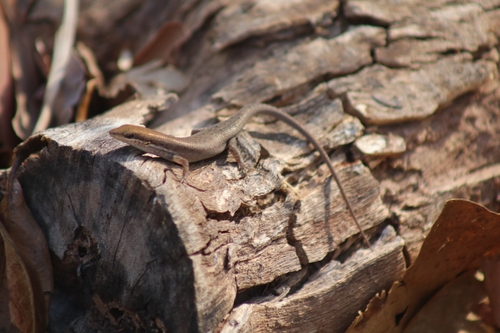
 Bauxite Rainbow Skink
Carlia amax
LC Endemic
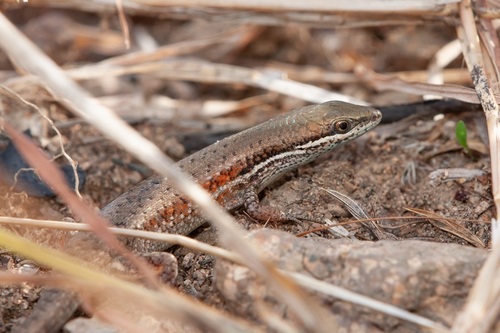
Red-sided Rainbow Skink
Carlia rufilatus
LC Endemic
Shaded-litter Rainbow Skink
Carlia munda

LC Endemic
Lowlands Plain-backed Ctenotus
Ctenotus essingtonii

LC Endemic
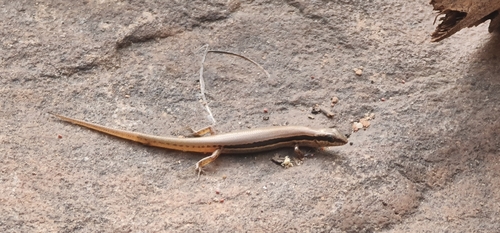
Lined Firetail Skink
Morethia ruficauda
LC Endemic
Ornate Soil-crevice Skink
Notoscincus ornatus

LC Endemic
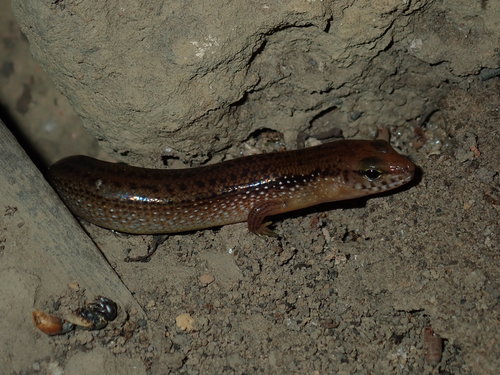
Common Bluetongue
Tiliqua scincoides
LC Endemic
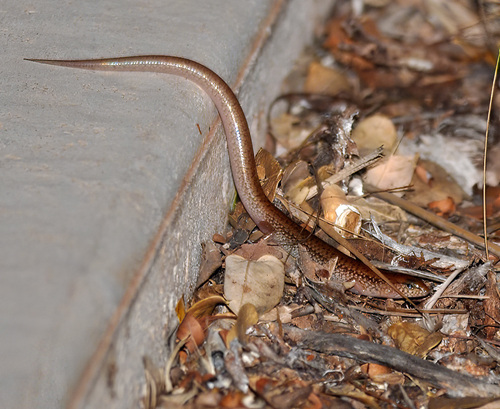
 Orange-sided Bar-lipped Skink
Eremiascincus douglasi
LC Endemic
Northern Bar-lipped Skink
Eremiascincus isolepis
LC Endemic
Northern Mulch Skink
Glaphyromorphus darwiniensis
Global Distribution
Warmer areas are where this animal is recorded most often.
Parks Where Found
| # | Park | Country | Daily sighting probability |
|---|---|---|---|
| 1 | Litchfield National Park | 🇦🇺 Australia | |
| 2 | Kakadu National Park | 🇦🇺 Australia |
Quick answers
What are the chances of seeing a Slender Rainbow Skink in Litchfield National Park?
About 40% of wildlife watchers report a Slender Rainbow Skink sighting in Litchfield National Park, based on 15 verified sightings from GBIF citizen-science data.
When is the best time to see Slender Rainbow Skink in Litchfield National Park?
February has the highest sighting rate for Slender Rainbow Skink in Litchfield National Park in our monthly data.