Mkomazi National Park
🇹🇿 Tanzania
🦎 West Usambara Two-horned Chamaeleon SanctuaryMkomazi National Park is a tropical savanna reserve in northeastern Tanzania, set against the dramatic backdrop of the Pare and Usambara mountain ranges. This arid landscape stands apart from greener southern parks through its vast acacia woodlands and open semi-arid plains, creating a rugged frontier habitat for specialized East African wildlife.
-4.183° S 38.185° E
Wildlife
⭐ Iconic Species
 ★
★  Black Rhinoceros
Diceros bicornis
 ★
★  Painted Hunting Dog
Lycaon pictus
 ★
★  East African Giraffe
Giraffa tippelskirchi
 ★
★  East African Oryx
Oryx beisa
📊 Most Spotted

 Usambara Double-collared Sunbird
Cinnyris usambaricus

 West Usambara two-horned chamaeleon
Kinyongia multituberculata

 African Dusky Flycatcher
Muscicapa adusta

Black Sawwing
Psalidoprocne pristoptera

Bar-throated Apalis
Apalis thoracica

 Fork-tailed Drongo
Dicrurus adsimilis

 Common Bulbul
Pycnonotus barbatus

 Hartlaub's Turaco
Tauraco hartlaubi

White-tailed Crested-Flycatcher
Elminia albonotata

African Tailorbird
Artisornis metopias

 African Bush Elephant
Loxodonta africana

 Eastern Mountain Greenbul
Arizelocichla nigriceps
⭐ Iconic Species
★ Black Rhinoceros
Diceros bicornis
★ Painted Hunting Dog
Lycaon pictus
★ East African Giraffe
Giraffa tippelskirchi
★ East African Oryx
Oryx beisa
📊 Most Spotted
African Bush Elephant
Loxodonta africana

 Hartebeest
Alcelaphus buselaphus

 Plains Zebra
Equus quagga

 Common Eland
Taurotragus oryx

 Angola Colobus
Colobus angolensis

 African Buffalo
Syncerus caffer

 Lesser Kudu
Tragelaphus imberbis

 Serval
Leptailurus serval

 Unstriped Ground Squirrel
Xerus rutilus

 Lion
Lion
Panthera leo

 Vervet Monkey
Chlorocebus pygerythrus

 Gerenuk
Litocranius walleri
📊 Most Spotted
Usambara Double-collared Sunbird
Cinnyris usambaricus
African Dusky Flycatcher
Muscicapa adusta
Black Sawwing
Psalidoprocne pristoptera
Bar-throated Apalis
Apalis thoracica
Fork-tailed Drongo
Dicrurus adsimilis
Common Bulbul
Pycnonotus barbatus
Hartlaub's Turaco
Tauraco hartlaubi
White-tailed Crested-Flycatcher
Elminia albonotata
African Tailorbird
Artisornis metopias
Eastern Mountain Greenbul
Arizelocichla nigriceps

 D'Arnaud's Barbet
Trachyphonus darnaudii

White-browed Sparrow-Weaver
Plocepasser mahali
📊 Most Spotted
West Usambara two-horned chamaeleon
Kinyongia multituberculata

 Flap-necked Chameleon
Chamaeleo dilepis

 African Striped Skink
Trachylepis striata
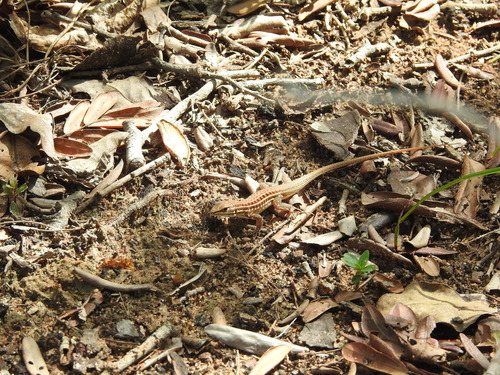
 Speke’s sand lizard
Heliobolus spekii

 Rosette-nosed Chameleon
Rhampholeon spinosus

 Leopard Tortoise
Stigmochelys pardalis

Sudan Mabuya
Trachylepis brevicollis

 Rock Monitor
Varanus albigularis

 Painted Dwarf Gecko
Lygodactylus picturatus

 Kenyan Rock Agama
Agama lionotus
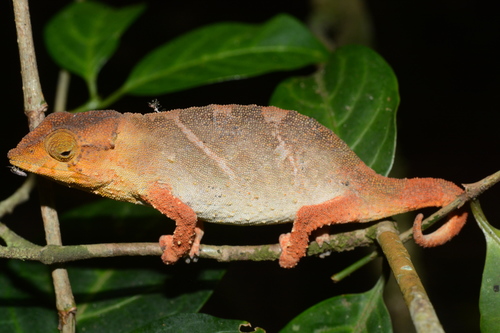
Green pygmy chameleon
Rhampholeon viridis

Uthmöller's Chameleon
Kinyongia uthmoelleri
📊 Most Spotted

 Senegal Kassina
Kassina senegalensis

Gong Rock Frog
Hyperolius glandicolor
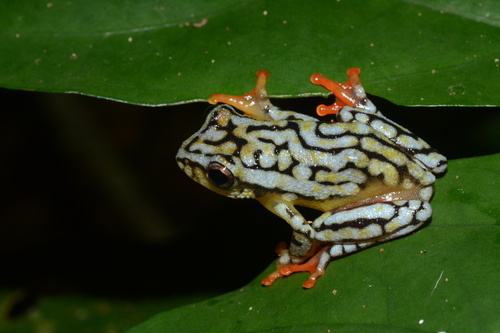
Mainland Reed Frog
Hyperolius substriatus

 Shovel-nosed Frog
Hemisus marmoratus

 Yellow-spotted Tree Frog
Leptopelis flavomaculatus

 Mazumbai Warty Frog
Callulina kisiwamsitu

 Red-Banded Rubber Frog
Phrynomantis bifasciatus

Water Lily Reed Frog
Hyperolius pusillus

 African Common Toad
Sclerophrys gutturalis

 Edible bullfrog
Pyxicephalus edulis

Delicate Spiny Reed Frog
Afrixalus delicatus

Anchieta's Ridged Frog
Ptychadena anchietae
Recent sightings in Mkomazi National Park
LIVEiNaturalistAnimal Events
1Dry Season Wildlife Concentration
As water sources dwindle during the dry months, large mammals concentrate near remaining permanent waterholes and riverbeds, offering exceptional game viewing.
2Wet Season Amphibian Chorus
Seasonal rains transform the arid landscapes into lush breeding grounds, triggering massive choruses and activity among specialized amphibians.
3Peak Birdwatching Migration and Nesting
The end-of-year months coincide with peak seasonal activity and plumage displays for numerous resident and migratory bird species.
Sighting Calendar
Average chance of spotting the park's most-spotted species, month by month
- 1Dry Season Wildlife Concentration
- 2Wet Season Amphibian Chorus
- 3Peak Birdwatching Migration and Nesting
Sighting Zones
Warmer areas are where all species together are recorded most often.
Essentials
Climate
What visitors saw
Serval Northern carmine bee-eater We had seen carmine bee-eater at the banks of the Kovango river in Namibia, where they breed in the cliffs along the river.
During the long drive from Fish Eagle Point to the park, we saw many poor villages all the way up to almost the border of the park.
We encountered several gazelles, zebras, and warthogs along the way.
We encountered several gazelles, zebras, and warthogs along the way.
Quick answers
What animals can you see in Mkomazi National Park?
The most likely sightings are Usambara Double-collared Sunbird (seen by about 60% of wildlife watchers), West Usambara two-horned chamaeleon (seen by about 60% of wildlife watchers), African Dusky Flycatcher (seen by about 50% of wildlife watchers), Black Sawwing (seen by about 50% of wildlife watchers), Bar-throated Apalis (seen by about 50% of wildlife watchers) — among 1572 recorded vertebrate species, based on citizen-science data from GBIF.
When is the best time to visit Mkomazi National Park for wildlife?
October has the highest combined sighting rate for the park's top species in our month-by-month GBIF data. The full sighting calendar on this page shows each species' best months.
Can you see Black Rhinoceros in Mkomazi National Park?
Yes — about 30% of wildlife watchers report a Black Rhinoceros sighting in Mkomazi National Park, based on 14 verified sightings from GBIF citizen-science data.
Can you see Painted Hunting Dog in Mkomazi National Park?
It's possible but not guaranteed: about 10% of wildlife watchers report a Painted Hunting Dog sighting in Mkomazi National Park, based on 4 verified sightings from GBIF citizen-science data. Sightings take luck and time in the field.
Can you see East African Giraffe in Mkomazi National Park?
Yes — about 50% of wildlife watchers report a East African Giraffe sighting in Mkomazi National Park, based on 40 verified sightings from GBIF citizen-science data.
Can you see East African Oryx in Mkomazi National Park?
Yes — about 30% of wildlife watchers report a East African Oryx sighting in Mkomazi National Park, based on 9 verified sightings from GBIF citizen-science data.
Where Wildlife Score
How good is this park for seeing wildlife?Biodiversity
ExcellentHow rich is the wildlife?
Sighting
Very goodHow likely to see animals?
Experience
ExcellentHow easy and pleasant is the visit?

