Serra da Canastra National Park
🇧🇷 Brazil
🦫 Giant Anteaters Roam Ancient Grassland PlateausSerra da Canastra National Park lies in Brazil’s Cerrado, a tropical savanna of grasslands, shrubs and scattered granite outcrops. The open plateaus host the park’s signature pampas deer grazing the fields and giant anteaters probing the termite‑rich soil.
-20.240° S 46.639° W
Wildlife
⭐ Iconic Species
 ★
★  Giant Anteater
Myrmecophaga tridactyla
 ★
★  Maned Wolf
Chrysocyon brachyurus
 ★
★  Brazilian Merganser
Mergus octosetaceus
 ★
★  Pampas Deer
Ozotoceros bezoarticus
📊 Most Spotted

Saffron Finch
Sicalis flaveola

 Picazuro Pigeon
Patagioenas picazuro

 Rufous-collared Sparrow
Zonotrichia capensis

 Crested Caracara
Caracara plancus

 Red-legged Seriema
Cariama cristata

 Chalk-browed Mockingbird
Mimus saturninus

 Blue-and-white Swallow
Notiochelidon cyanoleuca

 Great Kiskadee
Pitangus sulphuratus

 White-eyed Parakeet
Aratinga leucophthalma

Sayaca Tanager
Thraupis sayaca

 Pale-breasted Thrush
Turdus leucomelas

 Toco Toucan
Ramphastos toco
⭐ Iconic Species
★ Giant Anteater
Myrmecophaga tridactyla
★ Maned Wolf
Chrysocyon brachyurus
★ Pampas Deer
Ozotoceros bezoarticus
📊 Most Spotted

 Six-banded Armadillo
Euphractus sexcinctus

 Black-striped Capuchin
Sapajus libidinosus

 Mountain Lion
Puma concolor

 Cabasu
Cabassous unicinctus

 Black-pencilled Marmoset
Callithrix penicillata

 South American Coati
Nasua nasua

 Neotropical Otter
Lontra longicaudis

 Giant Armadillo
Priodontes maximus

 Capybara
Hydrochoerus hydrochaeris

 Brown Hare
Lepus europaeus

 Hoary Fox
Lycalopex vetulus

Mono Cai
Sapajus nigritus
⭐ Iconic Species
📊 Most Spotted
Saffron Finch
Sicalis flaveola
Picazuro Pigeon
Patagioenas picazuro
Rufous-collared Sparrow
Zonotrichia capensis
Crested Caracara
Caracara plancus
Red-legged Seriema
Cariama cristata
Chalk-browed Mockingbird
Mimus saturninus
Blue-and-white Swallow
Notiochelidon cyanoleuca
Great Kiskadee
Pitangus sulphuratus
White-eyed Parakeet
Aratinga leucophthalma
Sayaca Tanager
Thraupis sayaca
Pale-breasted Thrush
Turdus leucomelas
Toco Toucan
Ramphastos toco
📊 Most Spotted

 Striped Worm Lizard
Ophiodes striatus

 Argentine Black-and-white Tegu
Salvator merianae

Brazilian Bush Anole
Polychrus acutirostris

 Neotropical Rattlesnake
Crotalus durissus

Amazon Racerunner
Ameiva ameiva

 Marbled lancehead
Bothrops marmoratus

 Patagonian Racer
Philodryas patagoniensis

Wagler's Snake
Xenodon merremii
.jpg/330px-Enyalius_capetinga-PE_Caminho_dos_Gerais-Alvesz.fotos(001).jpg)
 Cerrado-tykhovedanole
Enyalius capetinga

 Tropical House Gecko
Hemidactylus mabouia

Jararaca Pintada
Bothrops neuwiedi

 Guibe's Flame Snake
Oxyrhopus guibei
📊 Most Spotted

 Rusty Toad
Rhinella rubescens

 Fazenda Salto tree frog
Bokermannohyla ibitiguara

 Yellow-spotted Tree Frog
Boana albopunctata

 Cuyaba Dwarf Frog
Physalaemus nattereri

 Lutz's Poison Frog
Ameerega flavopicta

Cururu Toad
Rhinella diptycha
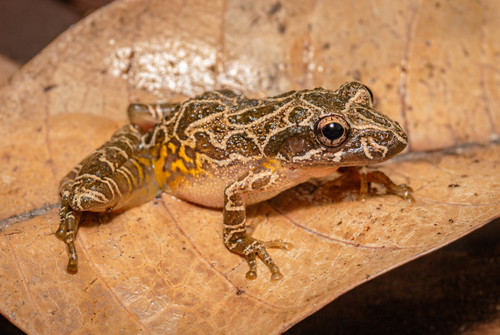
Alpinopolis Snouted Tree Frog
Scinax maracaya

Lesser Tree Frog
Dendropsophus minutus

Narrow-headed Tree Frog
Boana stenocephala

Ornate Forest toad
Rhinella ornata

Machado's Treefrog
Ololygon machadoi

 Campo Grande Frog
Leptodactylus furnarius
Recent sightings in Serra da Canastra National Park
LIVEiNaturalistAnimal Events
1Brazilian Merganser Breeding Season
Breeding of the critically endangered Brazilian Merganser on the upper São Francisco river system: egg-laying in and hatching in , during the dry season when detection along the rivers is highest.
3Grassland Bird Breeding Displays
Start of the rains brings the Cerrado's threatened grassland birds into full breeding activity — display flights of the Cock-tailed Tyrant and song flights of Ochre-breasted Pipit over the campos


2Dry-Season Mammal Watching
Late dry season on the Canastra plateau: giant anteaters, maned wolves and pampas deer forage in the open, short-grass campos and are at their most visible along the park tracks at dawn and dusk.
Sighting Calendar
Average chance of spotting the park's most-spotted species, month by month
- 1Brazilian Merganser Breeding Season
- 2Dry-Season Mammal Watching
- 3Grassland Bird Breeding Displays
Sighting Zones
Warmer areas are where all species together are recorded most often.
Essentials
Climate
What visitors saw
Quick answers
What animals can you see in Serra da Canastra National Park?
The most likely sightings are Saffron Finch (seen by about 80% of wildlife watchers), Picazuro Pigeon (seen by about 70% of wildlife watchers), Rufous-collared Sparrow (seen by about 70% of wildlife watchers), Pampas Deer (seen by about 70% of wildlife watchers), Giant Anteater (seen by about 70% of wildlife watchers) — among 1040 recorded vertebrate species, based on citizen-science data from GBIF.
When is the best time to visit Serra da Canastra National Park for wildlife?
October has the highest combined sighting rate for the park's top species in our month-by-month GBIF data. The full sighting calendar on this page shows each species' best months.
Can you see Giant Anteater in Serra da Canastra National Park?
Yes — about 70% of wildlife watchers report a Giant Anteater sighting in Serra da Canastra National Park, based on 56 verified sightings from GBIF citizen-science data.
Can you see Maned Wolf in Serra da Canastra National Park?
Yes — about 50% of wildlife watchers report a Maned Wolf sighting in Serra da Canastra National Park, based on 27 verified sightings from GBIF citizen-science data.
Can you see Brazilian Merganser in Serra da Canastra National Park?
Yes — about 20% of wildlife watchers report a Brazilian Merganser sighting in Serra da Canastra National Park, based on 143 verified sightings from GBIF citizen-science data.
Can you see Pampas Deer in Serra da Canastra National Park?
Yes — about 70% of wildlife watchers report a Pampas Deer sighting in Serra da Canastra National Park, based on 60 verified sightings from GBIF citizen-science data.
Where Wildlife Score
How good is this park for seeing wildlife?Biodiversity
ExcellentHow rich is the wildlife?
Sighting
Very goodHow likely to see animals?
Experience
Very goodHow easy and pleasant is the visit?


