Sierra Nevada National Park
🇪🇸 Spain
🐐 Spanish Ibex on High Sierra CragsSierra Nevada National Park sits in southern Spain, protecting a rugged landscape of high Iberian peaks and sheltered valleys covered in dense Mediterranean scrub. This terrain creates a distinct environment where rocky ridges drop into sun-baked slopes, setting the park apart from greener northern ranges through its dry aromatic vegetation and dramatic altitude shifts.
37.100° N 3.272° W
Wildlife
⭐ Iconic Species
 ★
★  Sierra Nevada Ocellated Lizard
Timon nevadensis
 ★
★  Spanish Ibex
Capra pyrenaica
 ★
★  Iberian Green Frog
Pelophylax perezi
📊 Most Spotted

 Eurasian Blackbird
Turdus merula

 Wood Pigeon
Columba palumbus

 European Serin
Serinus serinus

 Eurasian Goldfinch
Carduelis carduelis

 Great Tit
Parus major

 Blackcap
Sylvia atricapilla

 Sardinian Warbler
Curruca melanocephala

 Spotless Starling
Sturnus unicolor

 Chaffinch
Fringilla coelebs

 Eurasian Magpie
Pica pica

 White Wagtail
Motacilla alba

 Andalusian wall lizard
Podarcis vaucheri
⭐ Iconic Species
📊 Most Spotted

 Eurasian Red Squirrel
Sciurus vulgaris

 Red Fox
Vulpes vulpes

 Wild Boar
Sus scrofa

 European Rabbit
Oryctolagus cuniculus

 Red Deer
Cervus elaphus

 Greater White-toothed Shrew
Crocidura russula

 Savi's Pipistrelle
Hypsugo savii

 Granada Hare
Lepus granatensis

 European Badger
Meles meles

 Greater Horseshoe Bat
Rhinolophus ferrumequinum

 Garden Dormouse
Eliomys quercinus

 Schreibers' Long-fingered Bat
Miniopterus schreibersii
📊 Most Spotted
Eurasian Blackbird
Turdus merula
Wood Pigeon
Columba palumbus
European Serin
Serinus serinus
Eurasian Goldfinch
Carduelis carduelis
Great Tit
Parus major
Blackcap
Sylvia atricapilla
Sardinian Warbler
Curruca melanocephala
Spotless Starling
Sturnus unicolor
Chaffinch
Fringilla coelebs
Eurasian Magpie
Pica pica
White Wagtail
Motacilla alba

 European Greenfinch
Chloris chloris
⭐ Iconic Species
📊 Most Spotted
Andalusian wall lizard
Podarcis vaucheri

 Large Psammodromus
Psammodromus algirus

 Moorish Gecko
Tarentola mauritanica

 Mediterranean House Gecko
Hemidactylus turcicus

 Viperine Snake
Natrix maura

Spiny-footed Lizard
Acanthodactylus erythrurus

 Horseshoe Whip Snake
Hemorrhois hippocrepis

 Ladder Snake
Zamenis scalaris

 Pond Slider
Trachemys scripta

Catalonian Wall Lizard
Podarcis liolepis

 Montpellier Snake
Malpolon monspessulanus

 Southern Smooth Snake
Coronella girondica
⭐ Iconic Species
📊 Most Spotted

 Giant Toad
Bufo spinosus
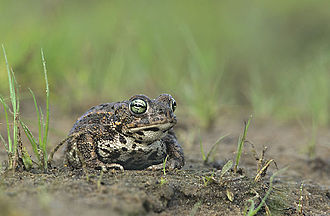
 Natterjack Toad
Epidalea calamita

 Spanish Newt
Pleurodeles waltl

 Mediterranean Tree Frog
Hyla meridionalis

 Pygmy Marbled Newt
Triturus pygmaeus

 Midwife Toad of Hillenius
Alytes dickhilleni

 Iberian parsley frog
Pelodytes ibericus
Recent sightings in Sierra Nevada National Park
LIVEiNaturalistAnimal Events
1Ibex Rutting Season
Male Spanish Ibex engage in dramatic head-butting contests to establish dominance and secure mating rights, a spectacle visible in high-altitude rocky areas.
2Ocellated Lizard Mating Displays
Male Sierra Nevada Ocellated Lizards perform territorial displays, including push-ups and color changes, to attract females in sun-exposed rocky slopes.
3Amphibian Breeding Chorus
Iberian Green Frogs and Giant Toads gather in wetlands and temporary pools, creating a loud, synchronized chorus at dusk to attract mates and defend territories.
Sighting Calendar
Average chance of spotting the park's most-spotted species, month by month
- 1Ibex Rutting Season
- 2Ocellated Lizard Mating Displays
- 3Amphibian Breeding Chorus
Sighting Zones
Warmer areas are where all species together are recorded most often.
Essentials
Climate
What visitors saw
Quick answers
What animals can you see in Sierra Nevada National Park?
The most likely sightings are Eurasian Blackbird (seen by about 80% of wildlife watchers), Wood Pigeon (seen by about 80% of wildlife watchers), European Serin (seen by about 70% of wildlife watchers), Eurasian Goldfinch (seen by about 60% of wildlife watchers), Great Tit (seen by about 60% of wildlife watchers) — among 436 recorded vertebrate species, based on citizen-science data from GBIF.
When is the best time to visit Sierra Nevada National Park for wildlife?
March has the highest combined sighting rate for the park's top species in our month-by-month GBIF data. The full sighting calendar on this page shows each species' best months.
Can you see Sierra Nevada Ocellated Lizard in Sierra Nevada National Park?
Yes — about 20% of wildlife watchers report a Sierra Nevada Ocellated Lizard sighting in Sierra Nevada National Park, based on 34 verified sightings from GBIF citizen-science data.
Can you see Spanish Ibex in Sierra Nevada National Park?
Yes — about 50% of wildlife watchers report a Spanish Ibex sighting in Sierra Nevada National Park, based on 215 verified sightings from GBIF citizen-science data.
Can you see Iberian Green Frog in Sierra Nevada National Park?
Yes — about 50% of wildlife watchers report a Iberian Green Frog sighting in Sierra Nevada National Park, based on 212 verified sightings from GBIF citizen-science data.
Where Wildlife Score
How good is this park for seeing wildlife?Biodiversity
GoodHow rich is the wildlife?
Sighting
GoodHow likely to see animals?
Experience
GoodHow easy and pleasant is the visit?
Explore Other Parks
 📍 279 km 🦩 Flamingo Congregation at Doñana
 Doñana National Park
📍 389 km 🦌 Red Deer Haven in Monfragüe Monfragüe National Park
_male_(14487390465).jpg/330px-Guadarrama_Wall_Lizard_(Podarcis_guadarramae)_male_(14487390465).jpg) 📍 416 km 🦅 Griffon Vulture Soaring Guadarrama Cliffs
📍 416 km 🦅 Griffon Vulture Soaring Guadarrama Cliffs Sierra de Guadarrama National Park
 📍 678 km 🦅 Griffon Vultures Soar Over Monte Perdido