



Mulga Snake
Pseudechis australis
Silhouette: SeismicShrimp · PhyloPic
- KingdomAnimalia (Animals)
- PhylumChordata (Chordates)
- ClassSquamata
- FamilyElapidae (Elapid Snakes)
- GenusPseudechis (Australian Black Snakes)
- SpeciesPseudechis australis (Mulga Snake)
About the Mulga Snake
The king brown snake (Pseudechis australis) is a species of highly venomous snake of the family Elapidae, native to northern, western, and Central Australia. The king brown snake is the largest terrestrial venomous snake in Australia. Despite its common name, it is a member of the genus Pseudechis (black snakes) and only distantly related to true brown snakes. Its alternative common name is the mulga snake, although it lives in many habitats apart from mulga. First described by English zoologist John Edward Gray in 1842, it is a robust snake up to 3.3 m (11 ft) long. It is variable in appearance, with individuals from northern Australia having tan upper parts, while those from southern Australia are dark brown to blackish. Sometimes, it is seen in a reddish-green texture. The dorsal scales are two-toned, sometimes giving the snake a patterned appearance. Its underside is cream or white, often with orange splotches. The species is oviparous. The snake is considered to be a least-concern species according to the International Union for Conservation of Nature, though may have declined with the spread of the cane toad.
Its venom is not as potent as those of Australia's other dangerous snakes, but can still cause severe effects if delivered in large enough quantities. Its main effect is on striated muscle tissue, causing paralysis from muscle damage, and also commonly affects blood clotting (coagulopathy). Often, extensive pain and swelling occur, rarely with necrosis, at the bite site. Deaths from its bites have been recorded, with the most recent being in 1969. Its victims are treated with black snake (not brown snake) antivenom. Wikipedia →
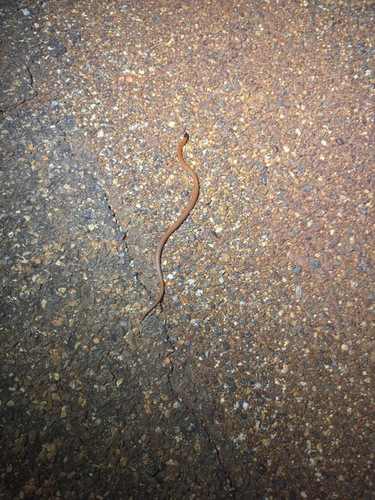
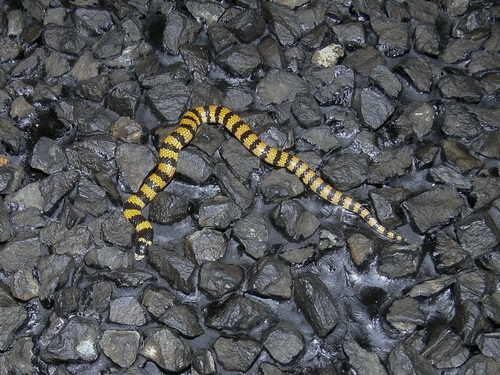
Recent sightings of Mulga Snake in Uluru-Kata Tjuta National Park
LIVEiNaturalistClosest Relatives at Uluru-Kata Tjuta National Park




Global Distribution
Warmer areas are where this animal is recorded most often.
Parks Where Found
| # | Park | Country | Daily sighting probability |
|---|---|---|---|
| 1 | Cape Range | 🇦🇺 Australia | |
| 2 | Ningaloo Marine Park | 🇦🇺 Australia | |
| 3 | Kakadu National Park | 🇦🇺 Australia | |
| 4 | Uluru-Kata Tjuta National Park | 🇦🇺 Australia | |
| 5 | Flinders Ranges National Park | 🇦🇺 Australia |
Quick answers
What are the chances of seeing a Mulga Snake in Uluru-Kata Tjuta National Park?
About 20% of wildlife watchers report a Mulga Snake sighting in Uluru-Kata Tjuta National Park, based on 12 verified sightings from GBIF citizen-science data.
When is the best time to see Mulga Snake in Uluru-Kata Tjuta National Park?
November has the highest sighting rate for Mulga Snake in Uluru-Kata Tjuta National Park in our monthly data.