


Citril Finch
Carduelis citrinella
- KingdomAnimalia (Animals)
- PhylumChordata (Chordates)
- ClassAves (Birds)
- OrderPasseriformes (Perching Birds)
- FamilyFringillidae (Finches, Euphonias, and Allies)
- GenusCarduelis (Eurasian Goldfinches and Citril Finches)
- SpeciesCarduelis citrinella (Citril Finch)
About the Citril Finch
The citril finch (Carduelis citrinella), also known as the Alpine citril finch, is a small songbird, a member of the true finch family, Fringillidae. This bird is a resident breeder in the mountains of southwestern Europe from Spain to the Alps. Its northernmost breeding area is found in the Black Forest of southwestern Germany.
The citril finch was formally described by the German zoologist Peter Simon Pallas in 1764 under the binomial name Fringilla citrinella. Long considered to be closely related to the European serin and the Cape canary, it was traditionally placed with them in the genus Serinus, until a genetic study in 2007 showed that, despite the plumage differences, it was more closely related to the European goldfinch; a second study in 2012 confirmed this, leading to its formal transfer to the genus Carduelis in 2013.
The Corsican finch (Carduelis corsicana) of Corsica and Sardinia was at one time considered as conspecific with the citril finch, but is now treated as a separate species. Carduelis is the Latin word for the European goldfinch, and the specific epithet citrinella is the Italian word for a small yellow bird, from a diminutive... Wikipedia →
Closest Relatives at Vanoise National Park

Eurasian Goldfinch
Carduelis carduelis

Chaffinch
Fringilla coelebs

Linnet
Linaria cannabina

European Serin
Serinus serinus

Red Crossbill
Loxia curvirostra

Eurasian Siskin
Spinus spinus

European Greenfinch
Chloris chloris
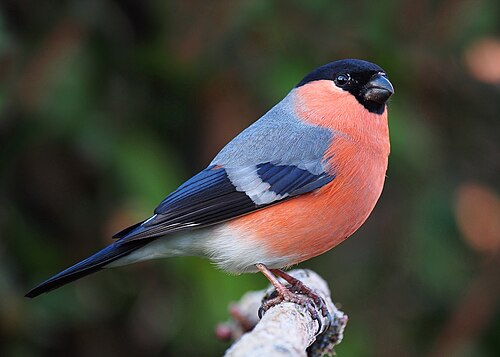
Eurasian Bullfinch
Pyrrhula pyrrhula

Common Redpoll
Acanthis flammea

Brambling
Fringilla montifringilla

Hawfinch
Coccothraustes coccothraustes

Black Redstart
Phoenicurus ochruros
Global Distribution
Where this species is recorded worldwide. Restricted to human observations from 2019 onwards — the same kind of record and the same period the probabilities on this page are built from, so collar-tracking studies, camera-trap arrays and museum specimens are excluded. Around Santa Rosa that removes 5,924 GPS fixes from a handful of tagged jaguars.
where this species is recorded (GBIF density — it tracks where observers go, not how likely a sighting is) · parks where it occurs — tap a pin for the sighting probability there
Parks Where Found
| # | Park | Country | Daily sighting probability |
|---|---|---|---|
| 1 | Aigüestortes National Park | 🇪🇸 Spain | |
| 2 | Pyrénées National Park | 🇫🇷 France | |
| 3 | Ordesa y Monte Perdido National Park | 🇪🇸 Spain | |
| 4 | Ecrins National Park | 🇫🇷 France | |
| 5 | Vanoise National Park | 🇫🇷 France | |
| 6 | Mercantour National Park | 🇫🇷 France | |
| 7 | Sierra de Guadarrama National Park | 🇪🇸 Spain | |
| 8 | Sierra Nevada National Park | 🇪🇸 Spain | |
| 9 | Cévennes National Park | 🇫🇷 France | |
| 10 | Hohe Tauern National Park | 🇦🇹 Austria | |
| 11 | Triglav National Park | 🇸🇮 Slovenia | |
| 12 | Picos de Europa National Park | 🇪🇸 Spain |
Quick answers
What are the chances of seeing a Citril Finch in Vanoise National Park?
About 10% of wildlife watchers report a Citril Finch sighting in Vanoise National Park, based on 21 verified sightings from GBIF citizen-science data.
When is the best time to see Citril Finch in Vanoise National Park?
January has the highest sighting rate for Citril Finch in Vanoise National Park in our monthly data.