Voyageurs National Park
🇺🇸 United States
🦅 Bald Eagle Glides Voyageurs WaterwaysVoyageurs National Park is a water-based wilderness of interconnected lakes, rocky islands, and dense boreal forests tucked along the northern border of Minnesota. Waterways dominate the terrain, creating a labyrinth of channels, hidden bays, and shorelines framed by towering pines and ancient rock. Visitors explore this vast aquatic realm primarily by boat or across winter ice.
48.505° N 92.942° W
Wildlife
⭐ Iconic Species
 ★
★  Gray Wolf
Canis lupus
 ★
★  Bald Eagle
Haliaeetus leucocephalus
 ★
★  Common Loon
Gavia immer
 ★
★  Moose
Moose
Alces americanus
📊 Most Spotted

 Blue Jay
Cyanocitta cristata

 American Red Squirrel
Tamiasciurus hudsonicus

 Yellow-rumped Warbler
Setophaga coronata

 American Crow
Corvus brachyrhynchos

 Black-capped Chickadee
Poecile atricapillus

 Red-eyed Vireo
Vireo olivaceus

 White-throated Sparrow
Zonotrichia albicollis

 American Robin
Turdus migratorius

 Song Sparrow
Melospiza melodia

 Ring-billed Gull
Larus delawarensis

 Red-breasted Nuthatch
Sitta canadensis

 Painted Turtle
Chrysemys picta
⭐ Iconic Species
📊 Most Spotted
American Red Squirrel
Tamiasciurus hudsonicus

 White-tailed Deer
Odocoileus virginianus

 Eastern Chipmunk
Tamias striatus

 American Beaver
Castor canadensis

 Northern River Otter
Lontra canadensis

 Snowshoe Hare
Lepus americanus

 Northern Short-tailed Shrew
Blarina brevicauda

Least Chipmunk
Tamias minimus

 Common Raccoon
Procyon lotor

 Red Fox
Vulpes vulpes

 Woodchuck
Marmota monax

 Striped Skunk
Mephitis mephitis
⭐ Iconic Species
📊 Most Spotted
Blue Jay
Cyanocitta cristata
Yellow-rumped Warbler
Setophaga coronata
American Crow
Corvus brachyrhynchos
Black-capped Chickadee
Poecile atricapillus
Red-eyed Vireo
Vireo olivaceus
White-throated Sparrow
Zonotrichia albicollis
American Robin
Turdus migratorius
Song Sparrow
Melospiza melodia
Ring-billed Gull
Larus delawarensis
Red-breasted Nuthatch
Sitta canadensis

 Mallard
Anas platyrhynchos

 Black-and-white Warbler
Mniotilta varia
📊 Most Spotted
Painted Turtle
Chrysemys picta

 Common Garter Snake
Thamnophis sirtalis

Redbelly Snake
Storeria occipitomaculata

 Snapping Turtle
Chelydra serpentina
📊 Most Spotted

 American Toad
Anaxyrus americanus
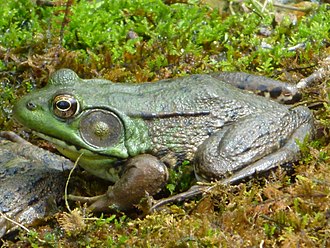
 Green Frog
Lithobates clamitans

Northern Leopard Frog
Lithobates pipiens

 Gray Treefrog Species Complex
Dryophytes versicolor

Wood Frog
Lithobates sylvaticus

 Blue-spotted Salamander
Ambystoma laterale

 Spring Peeper
Pseudacris crucifer

 Eastern Newt
Notophthalmus viridescens
Recent sightings in Voyageurs National Park
LIVEiNaturalistAnimal Events
1Spring Ice-Out and Amphibian Awakening
As the thick winter ice melts across the sprawling lake networks, the American Toad and the Painted Turtle emerge to breed and bask in the returning warmth.
2Summer Nesting and Waterway Activity
Long summer days bring peak biological activity, where the Common Loon fiercely tends to its chicks on open waters while the Green Frog calls from the reedy shallows.
3Autumn Boreal Migration and Preparation
As the boreal forest turns vibrant shades of gold and red, the Yellow-rumped Warbler journeys southward while the Eastern Chipmunk busily gathers seeds for winter.
Sighting Calendar
Average chance of spotting the park's most-spotted species, month by month
- 1Spring Ice-Out and Amphibian Awakening
- 2Summer Nesting and Waterway Activity
- 3Autumn Boreal Migration and Preparation
Sighting Zones
Warmer areas are where all species together are recorded most often.
Essentials
Climate
What visitors saw
A beautiful lake along the Locator Lake trail where we saw a beaver and wolf tracks.
I saw a cute little chipmunk on the log building stoop, but mostly I saw and provided meals for lots of mosquitoes along with dead dragonflies, which I learned later are called mayflies.
We hear Beaver Pond Overlook is an excellent spot for wildlife sightings.
We saw bald eagles perched in a tree, scanning the waters for prey.
Quick answers
What animals can you see in Voyageurs National Park?
The most likely sightings are Blue Jay (seen by about 70% of wildlife watchers), American Red Squirrel (seen by about 60% of wildlife watchers), Yellow-rumped Warbler (seen by about 60% of wildlife watchers), American Crow (seen by about 60% of wildlife watchers), Black-capped Chickadee (seen by about 60% of wildlife watchers) — among 403 recorded vertebrate species, based on citizen-science data from GBIF.
When is the best time to visit Voyageurs National Park for wildlife?
July has the highest combined sighting rate for the park's top species in our month-by-month GBIF data. The full sighting calendar on this page shows each species' best months.
Can you see Gray Wolf in Voyageurs National Park?
Yes — about 20% of wildlife watchers report a Gray Wolf sighting in Voyageurs National Park, based on 7 verified sightings from GBIF citizen-science data.
Can you see Bald Eagle in Voyageurs National Park?
Yes — about 50% of wildlife watchers report a Bald Eagle sighting in Voyageurs National Park, based on 222 verified sightings from GBIF citizen-science data.
Can you see Common Loon in Voyageurs National Park?
Yes — about 50% of wildlife watchers report a Common Loon sighting in Voyageurs National Park, based on 238 verified sightings from GBIF citizen-science data.
Can you see Moose in Voyageurs National Park?
It's possible but not guaranteed: about 10% of wildlife watchers report a Moose sighting in Voyageurs National Park, based on 2 verified sightings from GBIF citizen-science data. Sightings take luck and time in the field.
Where Wildlife Score
How good is this park for seeing wildlife?Biodiversity
GoodHow rich is the wildlife?
Sighting
GoodHow likely to see animals?
Experience
Very goodHow easy and pleasant is the visit?


