Cajas National Park
🇪🇨 Ecuador
🐦 Violet-throated Metaltail in Polylepis WoodsCajas National Park is in the Southern Andes of Ecuador, a high‑altitude páramo and cloud forest where glacial lakes, rolling grasslands, and patches of tropical rainforest intermix. It stands out for its network of crystal‑clear lagoons and the sharp contrast between open moorland and dense moss‑laden forest.
-2.840° S 79.224° W
Wildlife
⭐ Iconic Species
 ★
★  Violet-throated Metaltail
Metallura baroni
 ★
★  Tit-like Dacnis
Xenodacnis parina
 ★
★  Gray-breasted Mountain-Toucan
Andigena hypoglauca
 ★
★  Culpeo
Lycalopex culpaeus
📊 Most Spotted

Andean Teal
Anas andium

 Great Thrush
Turdus fuscater

 Andean Gull
Chroicocephalus serranus

 Tawny Antpitta
Grallaria quitensis

 Chestnut-winged Cinclodes
Cinclodes albidiventris

 Spectacled Redstart
Myioborus melanocephalus

Andean Ruddy Duck
Oxyura ferruginea

Black Flowerpiercer
Diglossa humeralis

Blue-mantled Thornbill
Chalcostigma stanleyi

 Slate-colored Coot
Fulica ardesiaca

 Brown-backed Chat-Tyrant
Ochthoeca fumicolor

Plumbeous Sierra-Finch
Geospizopsis unicolor
⭐ Iconic Species
📊 Most Spotted

 Andean Tapeti
Sylvilagus andinus

 White-tailed Deer
Odocoileus virginianus

 Ecuadorean Small-eared Shrew
Cryptotis montivaga

 montane myotis
Myotis oxyotus

 Andean Tapir
Tapirus pinchaque

 Dusky Caenolestid
Caenolestes fuliginosus
⭐ Iconic Species
★ Violet-throated Metaltail
Metallura baroni
★ Tit-like Dacnis
Xenodacnis parina
★ Gray-breasted Mountain-Toucan
Andigena hypoglauca
📊 Most Spotted
Andean Teal
Anas andium
Great Thrush
Turdus fuscater
Andean Gull
Chroicocephalus serranus
Tawny Antpitta
Grallaria quitensis
Chestnut-winged Cinclodes
Cinclodes albidiventris
Spectacled Redstart
Myioborus melanocephalus
Andean Ruddy Duck
Oxyura ferruginea
Black Flowerpiercer
Diglossa humeralis
Blue-mantled Thornbill
Chalcostigma stanleyi
Slate-colored Coot
Fulica ardesiaca
Brown-backed Chat-Tyrant
Ochthoeca fumicolor
Plumbeous Sierra-Finch
Geospizopsis unicolor
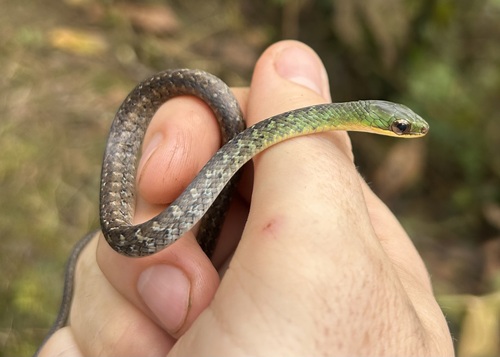




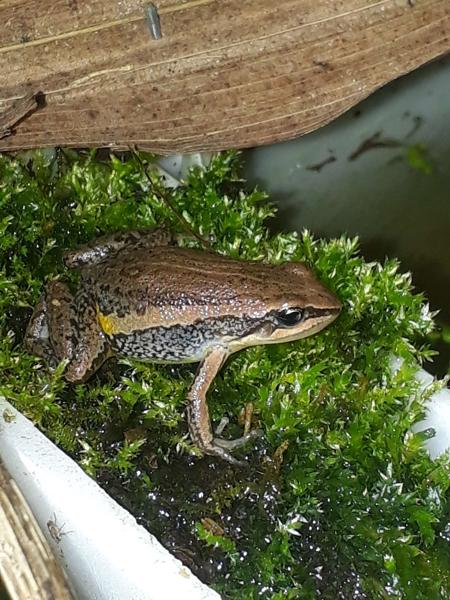





Recent sightings in Cajas National Park
LIVEiNaturalistAnimal Events
1Polylepis Forest Songbirds
Feeding congregations of Polylepis-specialist songbirds in the park's high-altitude paper-tree (quinoa) forest patches — documented as the best place anywhere to see Tit-like Dacnis and Giant Conebill

3Páramo Hummingbird Season
High-elevation hummingbirds feeding on flowering páramo shrubs (Chuquiraga) in the open grassland — peak visibility for the Ecuadorian Hillstar and Blue-mantled Thornbill

2Andean Waterfowl on the Glacial Lakes
Breeding and congregation of high-Andean waterbirds across the park's 230+ glacial lakes, a Ramsar Wetland of International Importance
Sighting Calendar
Average chance of spotting the park's most-spotted species, month by month
- 1Polylepis Forest Songbirds
- 2Andean Waterfowl on the Glacial Lakes
- 3Páramo Hummingbird Season
Sighting Zones
Warmer areas are where all species together are recorded most often.
Essentials
Climate
What visitors saw
While the Andean Condor is often the major attraction for birders like us visiting Cajas, we were thrilled to see other colorful species, such as parrots, toucans, tanagers, and guans.
It was around here we saw a rabbit, but other than that, disappointingly very little wildlife although we read that wild horses and llamas were prevalent, as well as parrots, Andean toucans, pumas and deer.
Our first stop was a secluded spot known for its hummingbird activity.
Quick answers
What animals can you see in Cajas National Park?
The most likely sightings are Andean Teal (seen by about 80% of wildlife watchers), Great Thrush (seen by about 80% of wildlife watchers), Andean Gull (seen by about 80% of wildlife watchers), Tawny Antpitta (seen by about 70% of wildlife watchers), Chestnut-winged Cinclodes (seen by about 70% of wildlife watchers) — among 820 recorded vertebrate species, based on citizen-science data from GBIF.
When is the best time to visit Cajas National Park for wildlife?
October has the highest combined sighting rate for the park's top species in our month-by-month GBIF data. The full sighting calendar on this page shows each species' best months.
Can you see Violet-throated Metaltail in Cajas National Park?
Yes — about 50% of wildlife watchers report a Violet-throated Metaltail sighting in Cajas National Park, based on 434 verified sightings from GBIF citizen-science data.
Can you see Tit-like Dacnis in Cajas National Park?
Yes — about 60% of wildlife watchers report a Tit-like Dacnis sighting in Cajas National Park, based on 512 verified sightings from GBIF citizen-science data.
Can you see Gray-breasted Mountain-Toucan in Cajas National Park?
Yes — about 30% of wildlife watchers report a Gray-breasted Mountain-Toucan sighting in Cajas National Park, based on 227 verified sightings from GBIF citizen-science data.
Can you see Culpeo in Cajas National Park?
Yes — about 40% of wildlife watchers report a Culpeo sighting in Cajas National Park, based on 13 verified sightings from GBIF citizen-science data.
Where Wildlife Score
How good is this park for seeing wildlife?Biodiversity
Very goodHow rich is the wildlife?
Sighting
GoodHow likely to see animals?
Experience
GoodHow easy and pleasant is the visit?


