


Woolly Horseshoe Bat
Rhinolophus luctus
Silhouette: Margot Michaud · PhyloPic
- KingdomAnimalia (Animals)
- PhylumChordata (Chordates)
- ClassMammalia (Mammals)
- OrderChiroptera (Bats)
- FamilyRhinolophidae (Horseshoe Bats)
- GenusRhinolophus (Horseshoe Bats)
- SpeciesRhinolophus luctus (Woolly Horseshoe Bat)
About the Woolly Horseshoe Bat
The great woolly horseshoe bat (Rhinolophus luctus) is a species of bat in the family Rhinolophidae. It is endemic to Southeast Asia. The northern woolly horseshoe bat (R. perniger), Malaysian woolly horseshoe bat (R. morio), and Andersen's woolly horseshoe bat (R. foetidus) were previously classified in this species but have since been reclassified as their own species, and other populations have been described as distinct species of their own: the Selangor woolly horseshoe bat (R. luctoides). Wikipedia →
Recent sightings of Woolly Horseshoe Bat in Cat Tien National Park
LIVEiNaturalistClosest Relatives at Cat Tien National Park
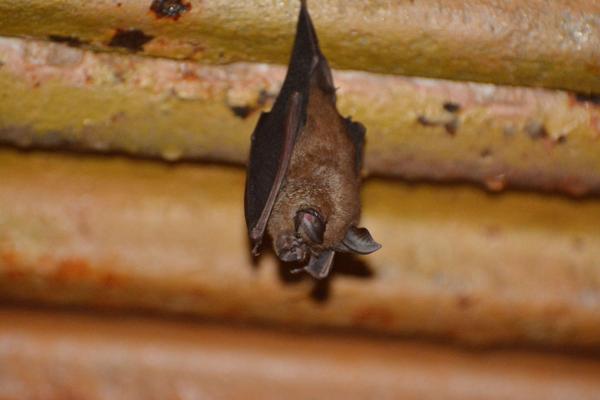
 Indochinese Horseshoe Bat
Rhinolophus chaseni

Least Horseshoe Bat
Rhinolophus pusillus

 Grand Leaf-nosed Bat
Hipposideros grandis

 Greater Short-nosed Fruit Bat
Cynopterus sphinx
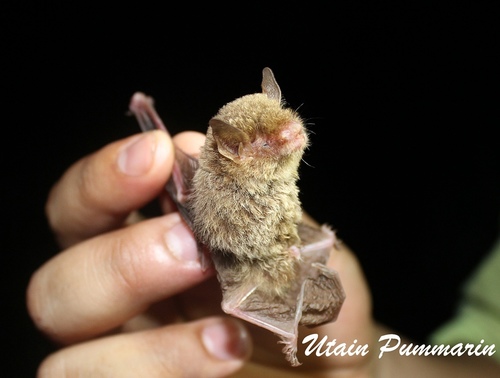
 thick-thumbed myotis
Myotis rosseti

Greater False Vampire
Lyroderma lyra

Lesser false vampire bat
Megaderma spasma

Lesser Short-nosed Fruit Bat
Cynopterus brachyotis

 Greater Asiatic Yellow House Bat
Scotophilus heathii
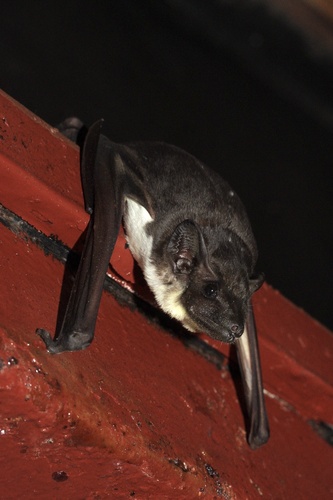
Naked-rumped Pouched Bat
Saccolaimus saccolaimus
Global Distribution
Warmer areas are where this animal is recorded most often.
Parks Where Found
| # | Park | Country | Daily sighting probability |
|---|---|---|---|
| 1 | Cat Tien National Park | 🇻🇳 Vietnam | |
| 2 | Kaeng Krachan National Park | 🇹🇭 Thailand | |
| 3 | Kerinci Seblat National Park | 🇮🇩 Indonesia | |
| 4 | Gunung Leuser National Park | 🇮🇩 Indonesia | |
| 5 | Sepilok | 🇲🇾 Malaysia |
Quick answers
What are the chances of seeing a Woolly Horseshoe Bat in Cat Tien National Park?
About 20% of wildlife watchers report a Woolly Horseshoe Bat sighting in Cat Tien National Park, based on 18 verified sightings from GBIF citizen-science data.
When is the best time to see Woolly Horseshoe Bat in Cat Tien National Park?
June has the highest sighting rate for Woolly Horseshoe Bat in Cat Tien National Park in our monthly data.