


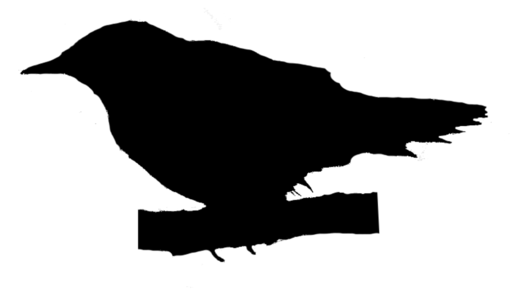
Savi's Warbler
Locustella luscinioides
Silhouette: Afsarnayakkan · PhyloPic
- KingdomAnimalia (Animals)
- PhylumChordata (Chordates)
- ClassAves (Birds)
- OrderPasseriformes (Perching Birds)
- FamilyLocustellidae (Grassbirds and Allies)
- GenusLocustella (Locustellid Bush Warblers and Allies)
- SpeciesLocustella luscinioides (Savi's Warbler)
About the Savi's Warbler
Savi's warbler (Locustella luscinioides) is a species of Old World warbler in the genus Locustella. It breeds in Europe and the western Palearctic. It is migratory, wintering in northern and sub-Saharan Africa. This small passerine bird is found in reed beds, usually with some bushes. Three to six eggs are laid in a nest in reeds. The adult has an unstreaked grey-brown back, whitish grey underparts and a lack of throat streaks, which is a distinction from the river warbler. The sexes are identical, as with most warblers, but young birds are yellower below. Like most warblers, it is insectivorous. This is not a shy species, but can be difficult to see in the reeds except sometimes when singing.
The song is a monotonous mechanical insect-like reeling, often given at dusk. It is similar to the song of other species in the group, but is generally faster and deeper and bears a strong resemblance to that of Roesel's bush-cricket.
The common name of this bird recognises the Italian ornithologist Paolo Savi, the author of "Ornitologia Toscana" (1827–1831) and "Ornitologia Italiana" (1873–1876). In 1821, Savi was given specimens of an unstreaked, dark, rufous-brown warbler which... Wikipedia →
Recent sightings of Savi's Warbler in Kiskunság National Park
LIVEiNaturalistClosest Relatives at Kiskunság National Park

 Grasshopper Warbler
Locustella naevia

Eurasian River Warbler
Locustella fluviatilis

 Hooded Crow
Corvus cornix

 European Starling
Sturnus vulgaris

 Rook
Corvus frugilegus

 Great Tit
Parus major

 Eurasian Tree Sparrow
Passer montanus

 Eurasian Goldfinch
Carduelis carduelis

 Eurasian Magpie
Pica pica

 White Wagtail
Motacilla alba

 European Stonechat
Saxicola rubicola

 Barn Swallow
Hirundo rustica
Global Distribution
Warmer areas are where this animal is recorded most often.
Parks Where Found
| # | Park | Country | Daily sighting probability |
|---|---|---|---|
| 1 | Biebrza National Park | 🇵🇱 Poland | |
| 2 | Hortobágy National Park | 🇭🇺 Hungary | |
| 3 | Białowieża National Park | 🇵🇱 Poland | |
| 4 | Fertő-Hanság National Park | 🇭🇺 Hungary | |
| 5 | Kiskunság National Park | 🇭🇺 Hungary | |
| 6 | Monfragüe National Park | 🇪🇸 Spain | |
| 7 | Doñana National Park | 🇪🇸 Spain | |
| 8 | Bavarian Forest National Park | 🇩🇪 Germany | |
| 9 | Wadden Sea National Park | 🇩🇪 Germany | |
| 10 | Pyrénées National Park | 🇫🇷 France | |
| 11 | Camargue | 🇫🇷 France | |
| 12 | Gauja National Park | 🇱🇻 Latvia |
Quick answers
What are the chances of seeing a Savi's Warbler in Kiskunság National Park?
About 20% of wildlife watchers report a Savi's Warbler sighting in Kiskunság National Park, based on 298 verified sightings from GBIF citizen-science data.
When is the best time to see Savi's Warbler in Kiskunság National Park?
April has the highest sighting rate for Savi's Warbler in Kiskunság National Park in our monthly data.