


Andean Condor
Vultur gryphus
Silhouette: Mark P. Witton & Darren Naish · PhyloPic
- KingdomAnimalia (Animals)
- PhylumChordata (Chordates)
- ClassAves (Birds)
- OrderAccipitriformes (Hawks, Eagles, Kites, and Allies)
- FamilyCathartidae (New World Vultures)
- GenusVultur (South American Condors)
- SpeciesVultur gryphus (Andean Condor)
About the Andean Condor
The Andean condor (Vultur gryphus) is a South American New World vulture and is the only extant member of the genus Vultur. It is found in the Andes mountains and adjacent Pacific coasts of western South America. With a maximum wingspan of 3.3 m (10 ft 10 in) and weight of 15 kg (33 lb), the Andean condor is one of the largest flying birds in the world, and is generally considered to be the largest bird of prey in the world.
One of two species commonly referred to as condors, it is a large black vulture with a ruff of white feathers surrounding the base of the neck and, especially in the male, large white patches on the wings. The head and neck are nearly featherless, and are a dull red color, which may flush and therefore change color in response to the bird's emotional state. In the male, there is a wattle on the neck and a large, dark red comb or caruncle on the crown of the head. The female condor is smaller than the male, an exception to the usual sexual dimorphism seen in birds of prey.
The condor is primarily a scavenger, feeding on carrion. It prefers large carcasses, such as those of deer or cattle. It reaches sexual maturity at five or six years of age and nests at elevations of up to 5,000 m (16,000 ft), generally on inaccessible rock ledges. One or two eggs are usually laid per clutch. It is one of the world's longest-living birds, with a lifespan of over 70 years in some cases.
The Andean condor is a national symbol of Bolivia, Chile, Colombia, Ecuador, and Peru and plays an important role in the folklore and mythology of the Andean regions. The Andean condor is considered vulnerable by the IUCN. It is threatened by habitat loss and by secondary poisoning from lead in carcasses killed by hunters. Captive breeding programs have been instituted in several countries. Wikipedia →
Recent sightings of Andean Condor in Los Nevados National Natural Park
LIVEiNaturalistClosest Relatives at Los Nevados National Natural Park

 Black Vulture
Coragyps atratus

 Turkey Vulture
Cathartes aura

Lesser Yellow-headed Vulture
Cathartes burrovianus

 Roadside Hawk
Rupornis magnirostris

 Black-chested Buzzard-Eagle
Geranoaetus melanoleucus

 Broad-winged Hawk
Buteo platypterus

Black-and-chestnut Eagle
Spizaetus isidori
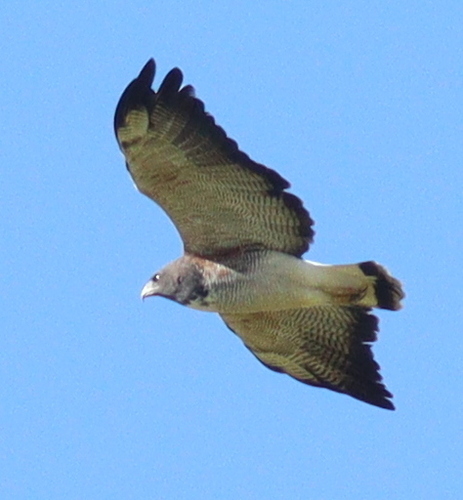
 White-tailed Hawk
Buteo albicaudatus

 Plumbeous Kite
Ictinia plumbea

 Sharp-shinned Hawk
Accipiter striatus

Short-tailed Hawk
Buteo brachyurus

White-rumped Hawk
Percnohierax leucorrhous
Global Distribution
Warmer areas are where this animal is recorded most often.
Parks Where Found
| # | Park | Country | Daily sighting probability |
|---|---|---|---|
| 1 | Torres del Paine National Park | 🇨🇱 Chile | |
| 2 | Tierra del Fuego National Park | 🇦🇷 Argentina | |
| 3 | Nahuel Huapi National Park | 🇦🇷 Argentina | |
| 4 | Amboró National Park | 🇧🇴 Bolivia | |
| 5 | Lauca National Park | 🇨🇱 Chile | |
| 6 | Puracé National Natural Park | 🇨🇴 Colombia | |
| 7 | Los Nevados National Natural Park | 🇨🇴 Colombia | |
| 8 | Huascarán National Park | 🇵🇪 Peru | |
| 9 | Vicente Pérez Rosales National Park | 🇨🇱 Chile | |
| 10 | Chingaza National Natural Park | 🇨🇴 Colombia | |
| 11 | Madidi National Park | 🇧🇴 Bolivia | |
| 12 | Manu National Park | 🇵🇪 Peru | |
| 13 | Cajas National Park | 🇪🇨 Ecuador | |
| 14 | Sierra de la Macarena National Park | 🇨🇴 Colombia |
Quick answers
What are the chances of seeing a Andean Condor in Los Nevados National Natural Park?
About 10% of wildlife watchers report a Andean Condor sighting in Los Nevados National Natural Park, based on 650 verified sightings from GBIF citizen-science data.
When is the best time to see Andean Condor in Los Nevados National Natural Park?
September has the highest sighting rate for Andean Condor in Los Nevados National Natural Park in our monthly data.