


Somali Dwarf Mongoose
Helogale hirtula
Silhouette: Margot Michaud · PhyloPic
- KingdomAnimalia (Animals)
- PhylumChordata (Chordates)
- ClassMammalia (Mammals)
- OrderCarnivora (Carnivorans)
- FamilyHerpestidae (Mongooses)
- GenusHelogale (Dwarf Mongooses)
- SpeciesHelogale hirtula (Somali Dwarf Mongoose)
About the Somali Dwarf Mongoose
The Ethiopian dwarf mongoose (Helogale hirtula), also known as the desert dwarf mongoose or Somali dwarf mongoose, is a mongoose native to East Africa, particularly Ethiopia, Kenya, and Somalia. The Ethiopian dwarf mongoose sends out warning calls to its family if a predator is detected. It also produces general alarm calls when danger is not present. These calls have different pitches which indicate different levels of urgency for the family, could convey the predator's species, distance and elevation to the family all through alarm calls.
Helogale hirtula hirtula Helogale hirtula ahlselli Helogale hirtula annulata Helogale hirtula lutescens Helogale hirtula powelli Wikipedia →
Recent sightings of Somali Dwarf Mongoose in Samburu National Reserve
LIVEiNaturalistClosest Relatives at Samburu National Reserve

 Common Dwarf Mongoose
Helogale parvula

 Slender Mongoose
Galerella sanguinea

 White-tailed Mongoose
Ichneumia albicauda

 Lion
Panthera leo

 Cheetah
Acinonyx jubatus

 Leopard
Panthera pardus

 Northern Small-spotted Genet
Genetta genetta

 Bat-eared Fox
Otocyon megalotis

 Spotted Hyena
Crocuta crocuta
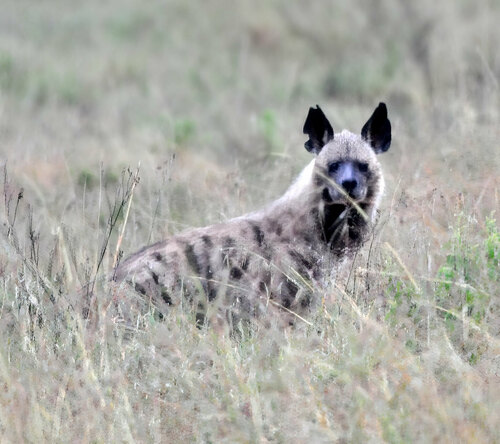
 Hyaena dubbah

 Painted Hunting Dog
Lycaon pictus

Striped Hyena
Hyaena hyaena
Global Distribution
Warmer areas are where this animal is recorded most often.
Parks Where Found
| # | Park | Country | Daily sighting probability |
|---|---|---|---|
| 1 | Samburu National Reserve | 🇰🇪 Kenya | |
| 2 | Meru National Park | 🇰🇪 Kenya | |
| 3 | Tsavo East National Park | 🇰🇪 Kenya | |
| 4 | Tsavo West National Park | 🇰🇪 Kenya |
Quick answers
What are the chances of seeing a Somali Dwarf Mongoose in Samburu National Reserve?
About 50% of wildlife watchers report a Somali Dwarf Mongoose sighting in Samburu National Reserve, based on 37 verified sightings from GBIF citizen-science data.
When is the best time to see Somali Dwarf Mongoose in Samburu National Reserve?
February has the highest sighting rate for Somali Dwarf Mongoose in Samburu National Reserve in our monthly data.