
Grey Whitethroat
Sylvia curruca
- KingdomAnimalia (Animals)
- PhylumChordata (Cordats)
- ClassAves (Aus)
- OrderPasseriformes
- FamilySylviidae (Sylviid Warblers and Allies)
- GenusSylvia
- SpeciesSylvia curruca (Grey Whitethroat)
Closest Relatives at Snowdonia National Park

Blackcap
Sylvia atricapilla

Whitethroat
Sylvia communis

Garden Warbler
Sylvia borin

European Robin
Erithacus rubecula

Carrion Crow
Corvus corone

Eurasian Blackbird
Turdus merula
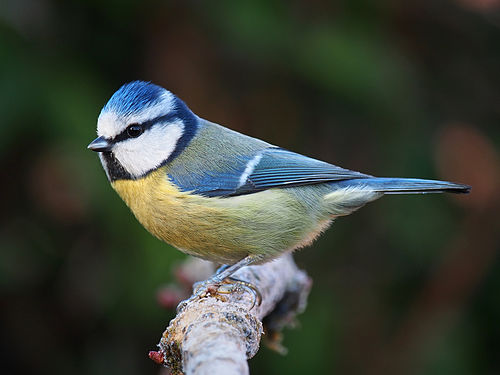
Blue Tit
Cyanistes caeruleus

Great Tit
Parus major

Eurasian Magpie
Pica pica

Chaffinch
Fringilla coelebs

Eurasian Wren
Troglodytes troglodytes

Dunnock
Prunella modularis
📅 Monthly Probability
☀️ When They're Spotted
Most active during daytime hours (6am–6pm) · across all parks (global)
Global Distribution
Where this species is recorded worldwide. Restricted to human observations from 2019 onwards — the same kind of record and the same period the probabilities on this page are built from, so collar-tracking studies, camera-trap arrays and museum specimens are excluded. Around Santa Rosa that removes 5,924 GPS fixes from a handful of tagged jaguars.
where this species is recorded (GBIF density — it tracks where observers go, not how likely a sighting is) · parks where it occurs — tap a pin for the sighting probability there
Parks Where Found
Quick answers
What are the chances of seeing a Grey Whitethroat in Snowdonia National Park?
About 1% of visitor-days record a Grey Whitethroat sighting in Snowdonia National Park, based on 19 observer-days of citizen-science data from GBIF.
When is the best time to see Grey Whitethroat in Snowdonia National Park?
June has the highest sighting rate for Grey Whitethroat in Snowdonia National Park in our monthly data.