
Clay-soil Ctenotus
Ctenotus helenae
Silhouette: David Orr · PhyloPic
- KingdomAnimalia (Animals)
- PhylumChordata (Chordates)
- ClassSquamata
- FamilyScincidae (Skinks)
- GenusCtenotus (Ctenotus Skinks)
- SpeciesCtenotus helenae (Clay-soil Ctenotus)
About the Clay-soil Ctenotus
Ctenotus helenae, also known commonly as the clay-soil ctenotus, is a species of skink endemic to Australia. The specific name, helenae, is in honour of Helen Louise Pianka who was married to American herpetologist Eric R. Pianka.
Within Australia, C. helenae is found in the Northern Territory, Queensland, South Australia, and Western Australia. C. helenae is found in wide variety of habitats including forest, shrubland, grassland, and desert. C. helenae is terrestrial and diurnal.
C. helenae is oviparous. Cogger, Harold G. (2014). Reptiles and Amphibians of Australia, Seventh Edition. Clayton, Victoria, Australia: CSIRO Publishing. xxx + 1,033 pp. ISBN 978-0643100350. Storr, G.M. (1969) ("1968"). "The genus Ctenotus (Lacertilia, Scincidae) in the Eastern Division of Western Australia". Journal of the Royal Society of Western Australia 51 (4): 97–109. (Ctenotus helenae, new species, pp. 100–101).
Storr, G.M.; Smith, L.A.; Johnstone, R.E. (1999). Lizards of Western Australia. I. Skinks, Revised Edition. Perth: Western Australian Museum. 291 pp. ISBN 978-0730726562... Wikipedia →
Recent sightings of Clay-soil Ctenotus in Uluru-Kata Tjuta National Park
LIVEiNaturalistClosest Relatives at Uluru-Kata Tjuta National Park

 Leopard Ctenotus
Ctenotus pantherinus

Leonhardi's Ctenotus
Ctenotus leonhardii
Massive-gibber Ctenotus
Ctenotus septenarius
Grand Ctenotus
Ctenotus grandis
Wedgesnout Ctenotus
Ctenotus brooksi
Fine Side-lined Ctenotus
Ctenotus dux

Blue-tailed Finesnout Ctenotus
Ctenotus calurus
Fourteen-lined Ctenotus
Ctenotus quattuordecimlineatus

Course Sand Ctenotus
Ctenotus piankai

Centralian Bluetongue
Tiliqua multifasciata
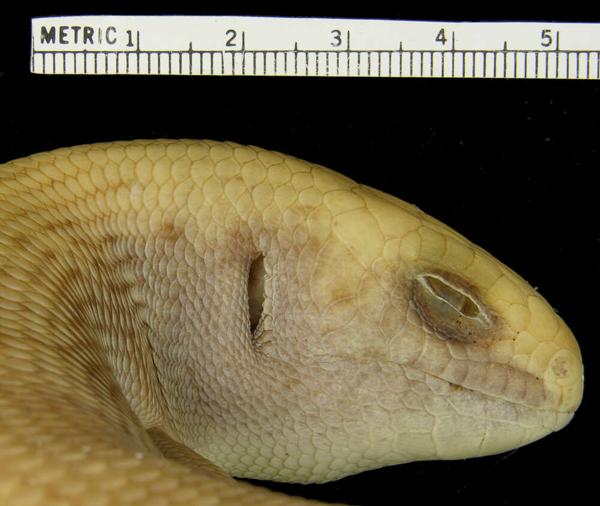
Great Desert Skink
Liopholis kintorei

Shiny-palmed Shining-skink
Cryptoblepharus australis
Global Distribution
Warmer areas are where this animal is recorded most often.
Parks Where Found
| # | Park | Country | Daily sighting probability |
|---|---|---|---|
| 1 | Uluru-Kata Tjuta National Park | 🇦🇺 Australia |
More parks will be added in future updates.