

Leopard Ctenotus
Ctenotus pantherinus
Silhouette: David Orr · PhyloPic
- KingdomAnimalia (Animals)
- PhylumChordata (Chordates)
- ClassSquamata
- FamilyScincidae (Skinks)
- GenusCtenotus (Ctenotus Skinks)
- SpeciesCtenotus pantherinus (Leopard Ctenotus)
About the Leopard Ctenotus
Ctenotus pantherinus, commonly known as the leopard ctenotus, is a species of skink endemic to central and western Australia. Its conservation status is currently classified as Least Concern. They are a brown/grey lizard with a tail almost equal to its body length, with short, four stubby legs of similar length, ending in clawed feet with five digits. Yellow/white spots with a black/brown outline begin behind the head and extend to the tip of the tail. Some adult leopard ctenotus have white/yellow stripes on the side of the tail, starting at the hind leg. The underbelly is a pale white/yellow colour.
Leopard ctenotus are one of the largest and fastest growing Ctenotus species in Australia. They grow more during winter than other Ctenotus species and are active during all seasons. Males tend to grow at a slightly faster rate than females, and juveniles born in autumn grow faster over winter than those born in the summer months.
Ctenotus pantherinus is endemic to Australia and has been found in the semi- arid and arid regions of Western Australia, Northern Territory, Queensland, New South Wales and South Australia. Ctenotus... Wikipedia →
Recent sightings of Leopard Ctenotus in Uluru-Kata Tjuta National Park
LIVEiNaturalistClosest Relatives at Uluru-Kata Tjuta National Park

 Leonhardi's Ctenotus
Ctenotus leonhardii
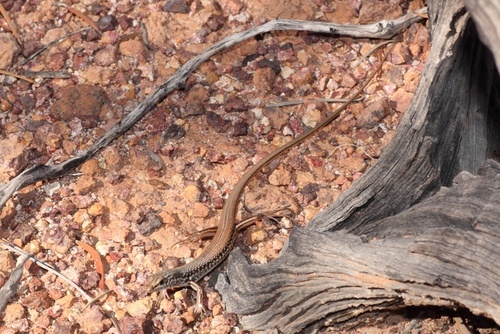
Massive-gibber Ctenotus
Ctenotus septenarius
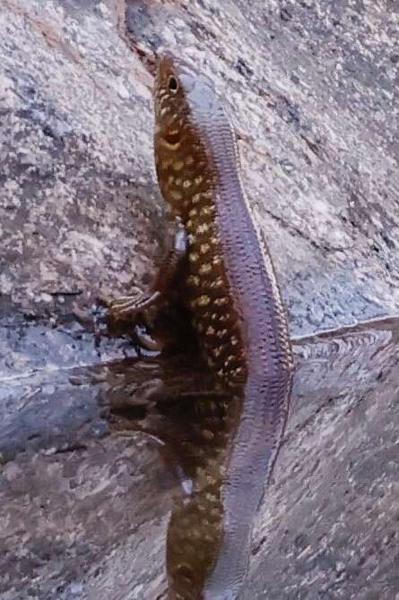
Grand Ctenotus
Ctenotus grandis
Wedgesnout Ctenotus
Ctenotus brooksi
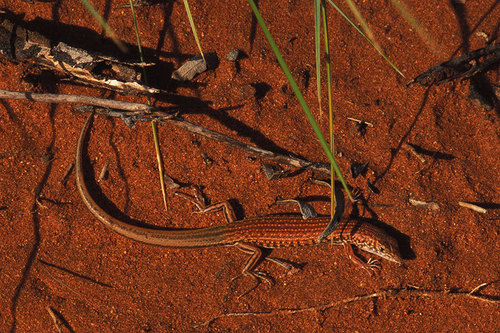
Fine Side-lined Ctenotus
Ctenotus dux

Clay-soil Ctenotus
Ctenotus helenae

Blue-tailed Finesnout Ctenotus
Ctenotus calurus
Fourteen-lined Ctenotus
Ctenotus quattuordecimlineatus

Course Sand Ctenotus
Ctenotus piankai

Centralian Bluetongue
Tiliqua multifasciata
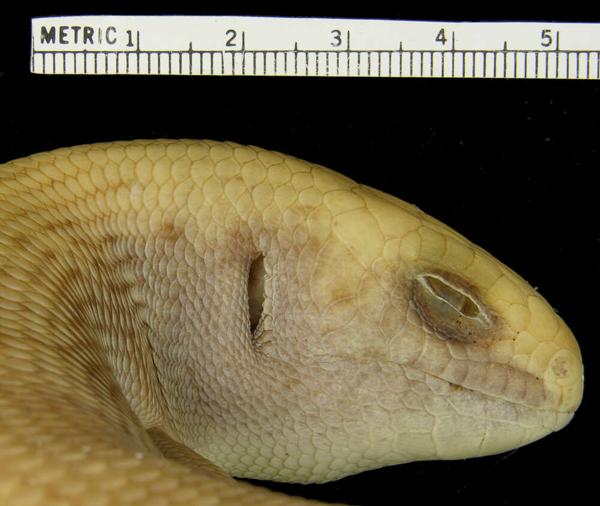
Great Desert Skink
Liopholis kintorei

Shiny-palmed Shining-skink
Cryptoblepharus australis
Global Distribution
Warmer areas are where this animal is recorded most often.
Parks Where Found
| # | Park | Country | Daily sighting probability |
|---|---|---|---|
| 1 | Uluru-Kata Tjuta National Park | 🇦🇺 Australia | |
| 2 | Cape Range | 🇦🇺 Australia | |
| 3 | Ningaloo Marine Park | 🇦🇺 Australia |
Quick answers
What are the chances of seeing a Leopard Ctenotus in Uluru-Kata Tjuta National Park?
About 20% of wildlife watchers report a Leopard Ctenotus sighting in Uluru-Kata Tjuta National Park, based on 12 verified sightings from GBIF citizen-science data.
When is the best time to see Leopard Ctenotus in Uluru-Kata Tjuta National Park?
November has the highest sighting rate for Leopard Ctenotus in Uluru-Kata Tjuta National Park in our monthly data.