


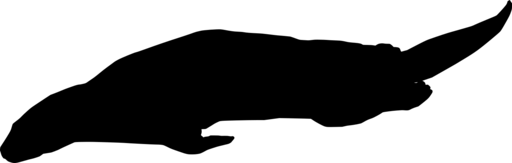
Northern River Otter
Lontra canadensis
Silhouette: Margot Michaud · PhyloPic
- KingdomAnimalia (Animals)
- PhylumChordata (Chordates)
- ClassMammalia (Mammals)
- OrderCarnivora (Carnivorans)
- FamilyMustelidae (Mustelids)
- GenusLontra (New World River Otters)
- SpeciesLontra canadensis (Northern River Otter)
About the Northern River Otter
The North American river otter (Lontra canadensis), also known as the northern river otter and river otter, is a semiaquatic mammal that is endemic to the North American continent throughout most of Canada and along the coasts of the United States and its inland waterways. An adult North American river otter can weigh between 5 and 14 kilograms (11–31 lb). The river otter is protected and insulated by a thick, water-repellent coat of fur.
The North American river otter, a member of the subfamily Lutrinae in the weasel family (Mustelidae), is equally versatile in the water and on land. It establishes a burrow close to the water's edge in river, lake, swamp, coastal shoreline, tidal flat, or estuary ecosystems. The den typically has many tunnel openings, one of which generally allows the otter to enter and exit the body of water. Females give birth in these burrows, producing litters of one to six young.
North American river otters, like most predators, prey upon the most readily accessible species. Fish is a favored food among the otters, but they also consume various amphibians (such as salamanders and frogs), freshwater clams, mussels, snails, small turtles, and crayfish. The most common fish consumed are perch, suckers, and catfish. Occasional reports also show the river otter eating other small animals, such as mice, squirrels, birds, and even dogs that they have attacked and drowned.
The range of the North American river otter has been significantly reduced by habitat loss, beginning with the European colonization of the Americas. In some regions, though, their population is controlled to allow the trapping and harvesting of otters for their fur. North American river otters are very susceptible to the effects of environmental pollution, which is a likely factor in the continued decline of their numbers. A number of reintroduction projects have been initiated to help halt the reduction in their overall population. Wikipedia →
Recent sightings of Northern River Otter in Yosemite National Park
LIVEiNaturalistClosest Relatives at Yosemite National Park

 Pacific Marten
Martes caurina

 Stoat
Mustela erminea

 American Badger
Taxidea taxus

 American Black Bear
Ursus americanus

 Gray Fox
Urocyon cinereoargenteus

 Coyote
Canis latrans

 Bobcat
Lynx rufus

 Striped Skunk
Mephitis mephitis

 Common Raccoon
Procyon lotor

 Mountain Lion
Puma concolor

 Ringtail
Bassariscus astutus

 Western Spotted Skunk
Spilogale gracilis
Global Distribution
Warmer areas are where this animal is recorded most often.
Parks Where Found
| # | Park | Country | Daily sighting probability |
|---|---|---|---|
| 1 | Isle Royale National Park | 🇺🇸 United States | |
| 2 | Congaree National Park | 🇺🇸 United States | |
| 3 | Gros Morne National Park | 🇨🇦 Canada | |
| 4 | Acadia National Park | 🇺🇸 United States | |
| 5 | Big Cypress National Preserve | 🇺🇸 United States | |
| 6 | Shenandoah National Park | 🇺🇸 United States | |
| 7 | Everglades National Park | 🇺🇸 United States | |
| 8 | Kenai Fjords National Park | 🇺🇸 United States | |
| 9 | Katmai National Park | 🇺🇸 United States | |
| 10 | Wrangell-St. Elias National Park | 🇺🇸 United States | |
| 11 | Cape Breton Highlands National Park | 🇨🇦 Canada | |
| 12 | Yosemite National Park | 🇺🇸 United States | |
| 13 | Point Pelee National Park | 🇨🇦 Canada | |
| 14 | Denali National Park | 🇺🇸 United States |