


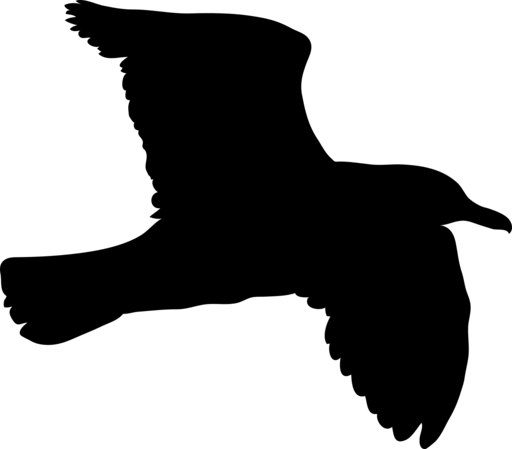
Glaucous Gull
Larus hyperboreus
Silhouette: Sharon Wegner-Larsen · PhyloPic
- KingdomAnimalia (Animals)
- PhylumChordata (Chordates)
- ClassAves (Birds)
- OrderCharadriiformes (Shorebirds and Allies)
- FamilyLaridae (Gulls, Terns, and Skimmers)
- GenusLarus (Large White-headed Gulls)
- SpeciesLarus hyperboreus (Glaucous Gull)
About the Glaucous Gull
The glaucous gull (Larus hyperboreus) is a large gull, the second-largest gull in the world. The genus name is from Latin larus, which appears to have referred to a gull or other large seabird. The specific name hyperboreus is Latin for "northern" from the Ancient Greek Huperboreoi people from the far north "Glaucous" is from Latin glaucus and denotes the grey colour of the gull. An older English name for this species is burgomaster.
This gull breeds in Arctic regions of the Northern Hemisphere and winters south to shores of the Holarctic. It is migratory, wintering from in the North Atlantic and North Pacific Oceans as far south as the British Isles and northernmost states of the United States, also on the Great Lakes. A few birds sometimes reach the southern USA and northern Mexico.
This is a large and powerful gull, second-largest of all gull species and very pale in all plumage, with no black on either the wings or the tail. Adults are pale grey above, with a thick, yellow bill. Juveniles are very pale grey with a pink and black bill. This species is considerably larger, bulkier, and thicker-billed than the similar Iceland gull, and can sometimes... Wikipedia →
Recent sightings of Glaucous Gull in Denali National Park
LIVEiNaturalistClosest Relatives at Denali National Park

 Short-billed Gull
Larus brachyrhynchus

 American Herring Gull
Larus smithsonianus

Glaucous-winged Gull
Larus glaucescens

 Arctic Tern
Sterna paradisaea

 Spotted Sandpiper
Actitis macularius

 Hudsonian Whimbrel
Numenius hudsonicus
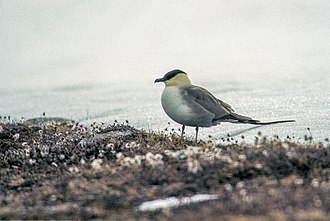
 Long-tailed Jaeger
Stercorarius longicaudus

 Whimbrel
Numenius phaeopus

 Wilson's Snipe
Gallinago delicata

 Solitary Sandpiper
Tringa solitaria

Lesser Yellowlegs
Tringa flavipes

 Semipalmated Plover
Charadrius semipalmatus
Global Distribution
Warmer areas are where this animal is recorded most often.
Parks Where Found
| # | Park | Country | Daily sighting probability |
|---|---|---|---|
| 1 | Vatnajokull National Park | 🇮🇸 Iceland | |
| 2 | Gros Morne National Park | 🇨🇦 Canada | |
| 3 | Wadden Sea National Park | 🇩🇪 Germany | |
| 4 | Point Pelee National Park | 🇨🇦 Canada | |
| 5 | Thingvellir National Park | 🇮🇸 Iceland | |
| 6 | Cape Breton Highlands National Park | 🇨🇦 Canada | |
| 7 | Katmai National Park | 🇺🇸 United States | |
| 8 | Wrangell-St. Elias National Park | 🇺🇸 United States | |
| 9 | Kenai Fjords National Park | 🇺🇸 United States | |
| 10 | El Vizcaíno Biosphere Reserve | 🇲🇽 Mexico | |
| 11 | Acadia National Park | 🇺🇸 United States | |
| 12 | Denali National Park | 🇺🇸 United States |