


American Herring Gull
Larus smithsonianus
Silhouette: Andy Wilson · PhyloPic
- KingdomAnimalia (Animals)
- PhylumChordata (Chordates)
- ClassAves (Birds)
- OrderCharadriiformes (Shorebirds and Allies)
- FamilyLaridae (Gulls, Terns, and Skimmers)
- GenusLarus (Large White-headed Gulls)
- SpeciesLarus smithsonianus (American Herring Gull)
About the American Herring Gull
The American herring gull (Larus smithsonianus or Larus argentatus smithsonianus), also known as the Arctic herring gull or Smithsonian gull, is a large gull that breeds in North America, where it is treated by the American Ornithological Society as distinct from the European herring gull (Larus argentatus).
Adults are white with gray back and wings, black wingtips with white spots, and pink legs. Immature birds are gray-brown and are darker and more uniform than European herring gulls, with a darker tail. As is common with other gulls, they are colloquially referred to simply as seagulls.
It occurs in a variety of habitats including coasts, lakes, rivers, parking lots and garbage dumps. Its broad diet includes invertebrates, fish, and many other items. It usually nests near water, laying around three eggs in a scrape on the ground.
This gull was first described as a new species in 1862 by Elliott Coues based on a series of specimens from the Smithsonian Institution. It was later reclassified as a subspecies of the herring gull (Larus argentatus). The genus name is from Latin Larus, which refers to a gull or other large seabird. The species name smithsonianus commemorates... Wikipedia →
Recent sightings of American Herring Gull in Denali National Park
LIVEiNaturalistClosest Relatives at Denali National Park

 Short-billed Gull
Larus brachyrhynchus

Glaucous-winged Gull
Larus glaucescens

Glaucous Gull
Larus hyperboreus

 Arctic Tern
Sterna paradisaea

 Spotted Sandpiper
Actitis macularius

 Hudsonian Whimbrel
Numenius hudsonicus
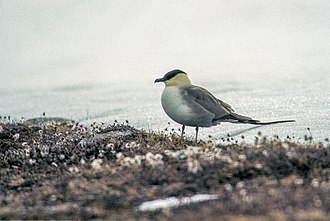
 Long-tailed Jaeger
Stercorarius longicaudus

 Whimbrel
Numenius phaeopus

 Wilson's Snipe
Gallinago delicata

 Solitary Sandpiper
Tringa solitaria

Lesser Yellowlegs
Tringa flavipes

 Semipalmated Plover
Charadrius semipalmatus
Global Distribution
Warmer areas are where this animal is recorded most often.
Parks Where Found
Quick answers
What are the chances of seeing a American Herring Gull in Denali National Park?
Under 5% of wildlife watchers report a American Herring Gull sighting in Denali National Park, based on 154 verified sightings from GBIF citizen-science data.
When is the best time to see American Herring Gull in Denali National Park?
July has the highest sighting rate for American Herring Gull in Denali National Park in our monthly data.