



Muskrat
Ondatra zibethicus
Silhouette: PhyloPic · PhyloPic
- KingdomAnimalia (Animals)
- PhylumChordata (Chordates)
- ClassMammalia (Mammals)
- OrderRodentia (Rodents)
- FamilyCricetidae (Hamsters, Voles, Lemmings, and Allies)
- GenusOndatra (Common Muskrats)
- SpeciesOndatra zibethicus (Muskrat)
About the Muskrat
The muskrat or common muskrat (Ondatra zibethicus) is a medium-sized semiaquatic rodent. Adult muskrats weigh 0.6–2 kg (1+1⁄4–4+1⁄2 lb), with a body length (excluding the tail) of 20–35 cm (8–14 in). They are covered with short, thick fur of medium to dark brown color. Their long tails, covered with scales rather than hair, are laterally compressed and generate a small amount of thrust, with their webbed hind feet being the main means of propulsion and the unique tail mainly important in directional stability. Muskrats spend most of their time in the water and can swim underwater for 12 to 17 minutes. They live in families of a male and female pair and their young. They build nests to protect themselves from the cold and predators, often burrowed into the bank with an underwater entrance. Muskrats feed mostly on cattail and other aquatic vegetation but also eat small animals.
Ondatra zibethicus is the only extant species in the genus Ondatra; its closest relative is the round-tailed muskrat (Neofiber alleni). It is the largest species in the subfamily Arvicolinae, which includes 142 other species of rodents, mostly voles and lemmings.
The species is native to North America and an introduced species in parts of Eurasia and South America. The muskrat is found in various wetlands and has crucial effects on their ecology. It is also a resource of food and fur for humans. Wikipedia →
Recent sightings of Muskrat in Jasper National Park
LIVEiNaturalistClosest Relatives at Jasper National Park

 Deer Mouse
Peromyscus maniculatus

 Southern Red-backed Vole
Myodes gapperi

 Meadow Vole
Microtus pennsylvanicus

 Bushy-tailed Wood Rat
Neotoma cinerea

Brown Lemming
Lemmus trimucronatus

 American Red Squirrel
Tamiasciurus hudsonicus

 Hoary Marmot
Marmota caligata

 Golden-mantled Ground Squirrel
Callospermophilus lateralis

 Columbian Ground Squirrel
Urocitellus columbianus

 Least Chipmunk
Tamias minimus

 American Beaver
Castor canadensis
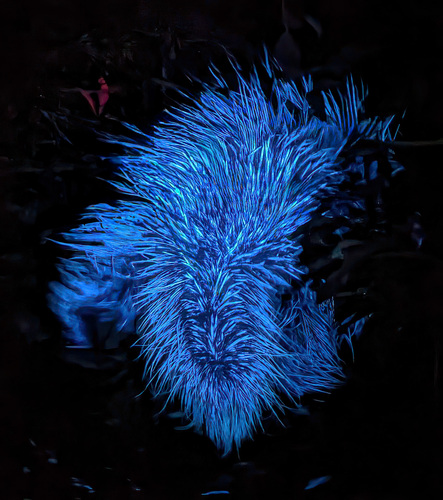
 Quiller
Erethizon dorsatus
Global Distribution
Warmer areas are where this animal is recorded most often.
Parks Where Found
| # | Park | Country | Daily sighting probability |
|---|---|---|---|
| 1 | Hortobágy National Park | 🇭🇺 Hungary | |
| 2 | Point Pelee National Park | 🇨🇦 Canada | |
| 3 | Tierra del Fuego National Park | 🇦🇷 Argentina | |
| 4 | Bavarian Forest National Park | 🇩🇪 Germany | |
| 5 | Wadden Sea National Park | 🇩🇪 Germany | |
| 6 | Denali National Park | 🇺🇸 United States | |
| 7 | Acadia National Park | 🇺🇸 United States | |
| 8 | Shenandoah National Park | 🇺🇸 United States | |
| 9 | Wood Buffalo National Park | 🇨🇦 Canada | |
| 10 | Wrangell-St. Elias National Park | 🇺🇸 United States | |
| 11 | Kiskunság National Park | 🇭🇺 Hungary | |
| 12 | Cape Breton Highlands National Park | 🇨🇦 Canada | |
| 13 | Yosemite National Park | 🇺🇸 United States |
Quick answers
What are the chances of seeing a Muskrat in Jasper National Park?
About 10% of wildlife watchers report a Muskrat sighting in Jasper National Park, based on 28 verified sightings from GBIF citizen-science data.
When is the best time to see Muskrat in Jasper National Park?
November has the highest sighting rate for Muskrat in Jasper National Park in our monthly data.