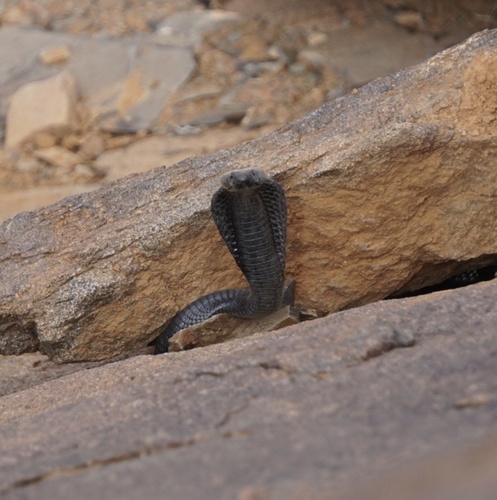


Black-necked Spitting Cobra
Naja nigricollis
Silhouette: V. Deepak · PhyloPic
- KingdomAnimalia (Animals)
- PhylumChordata (Chordates)
- ClassSquamata
- FamilyElapidae (Elapid Snakes)
- GenusNaja (Cobras)
- SpeciesNaja nigricollis (Black-necked Spitting Cobra)
About the Black-necked Spitting Cobra
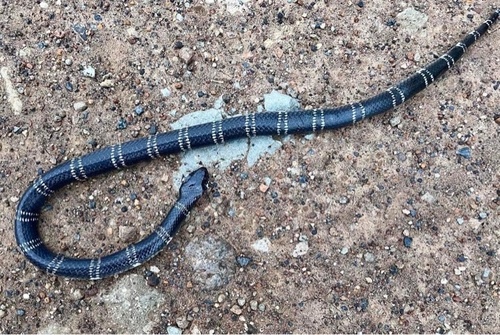
The black-necked spitting cobra (Naja nigricollis) is a species of spitting cobra found mostly in sub-Saharan Africa. They are moderately sized snakes that can grow to a length of 1.2 to 2.2 m (3.9 to 7.2 ft) in length. Their coloration and markings can vary considerably. They prey primarily on small rodents. They possess medically significant venom, although the mortality rate for untreated bites on humans is relatively low (~ 5–10%, in endemic regions under 1%). Like other spitting cobras, they can eject venom from their fangs when threatened (one drop over 7 metres (23 ft) and more in perfect accuracy). The cytotoxic venom irritates the skin, causing blisters and inflammation, and can cause permanent blindness if the venom makes contact with the eyes and is not washed off.
Naja nigricollis belongs to the cobra genus Naja under the family Elapidae. It previously included two subspecies that have been moved to the species Naja nigricincta – the zebra spitting cobra (Naja nigricincta nigricincta) and the black spitting cobra (Naja nigricincta woodi).
Naja nigricollis is classified under the genus Naja of the family Elapidae. It was first described by Norwegian zoologist... Wikipedia →
Recent sightings of Black-necked Spitting Cobra in Masai Mara National Reserve
LIVEiNaturalistClosest Relatives at Masai Mara National Reserve


Global Distribution
Warmer areas are where this animal is recorded most often.
Parks Where Found
| # | Park | Country | Daily sighting probability |
|---|---|---|---|
| 1 | Ruaha National Park | 🇹🇿 Tanzania | |
| 2 | Nairobi National Park | 🇰🇪 Kenya | |
| 3 | Queen Elizabeth National Park | 🇺🇬 Uganda | |
| 4 | Masai Mara National Reserve | 🇰🇪 Kenya | |
| 5 | Serengeti National Park | 🇹🇿 Tanzania | |
| 6 | Akagera National Park | 🇷🇼 Rwanda | |
| 7 | Lake Mburo National Park | 🇺🇬 Uganda | |
| 8 | Lake Nakuru National Park | 🇰🇪 Kenya | |
| 9 | South Luangwa National Park | 🇿🇲 Zambia | |
| 10 | Tarangire National Park | 🇹🇿 Tanzania | |
| 11 | Virunga National Park | 🇨🇩 Democratic Republic of the Congo |
Quick answers
What are the chances of seeing a Black-necked Spitting Cobra in Masai Mara National Reserve?
About 10% of wildlife watchers report a Black-necked Spitting Cobra sighting in Masai Mara National Reserve, based on 11 verified sightings from GBIF citizen-science data.
When is the best time to see Black-necked Spitting Cobra in Masai Mara National Reserve?
September has the highest sighting rate for Black-necked Spitting Cobra in Masai Mara National Reserve in our monthly data.