



White-crested Helmetshrike
Prionops plumatus
Silhouette: Sheatherius · PhyloPic
- KingdomAnimalia (Animals)
- PhylumChordata (Chordates)
- ClassAves (Birds)
- OrderPasseriformes (Perching Birds)
- FamilyPrionopidae
- GenusPrionops (Helmetshrikes)
- SpeciesPrionops plumatus (White-crested Helmetshrike)
About the White-crested Helmetshrike
The white-crested helmetshrike (Prionops plumatus), also known as the white helmetshrike, is a species of passerine bird in the Vanga family Vangidae, formerly usually included in the Malaconotidae. It is found in Angola, Benin, Botswana, Burkina Faso, Burundi, Cameroon, Central African Republic, Chad, Democratic Republic of the Congo, Ivory Coast, Eritrea, Eswatini, Ethiopia, Gambia, Ghana, Guinea, Guinea-Bissau, Kenya, Malawi, Mali, Mauritania, Mozambique, Namibia, Niger, Nigeria, Rwanda, Senegal, Sierra Leone, Somalia, South Africa, Sudan, Tanzania, Togo, Uganda, Zambia, and Zimbabwe.
Its natural habitats are subtropical or tropical dry forests, dry savanna, moist savanna, and subtropical or tropical dry shrubland. It is a gregarious bird and is found in small, active parties that are always on the move as they forage among the foliage or on the ground. They chatter noisily to one another as they move through their territory. (White-crested helmetshrike = ) White helmetshrike - Species text in The Atlas of Southern African Birds. Wikipedia →
Recent sightings of White-crested Helmetshrike in Lake Mburo National Park
LIVEiNaturalistClosest Relatives at Lake Mburo National Park

 Rüppell's Glossy-starling
Lamprotornis purpuroptera

 Trilling Cisticola
Cisticola woosnami

 Common Bulbul
Pycnonotus barbatus

Black-headed Gonolek
Laniarius erythrogaster

 Fork-tailed Drongo
Dicrurus adsimilis

 African Pied Wagtail
Motacilla aguimp

Red-cheeked Cordon-bleu
Uraeginthus bengalus

 Northern Grey-headed Sparrow
Passer griseus

Red-billed Firefinch
Lagonosticta senegala

 Grey-backed Fiscal
Lanius excubitoroides

Yellow-throated Longclaw
Macronyx croceus
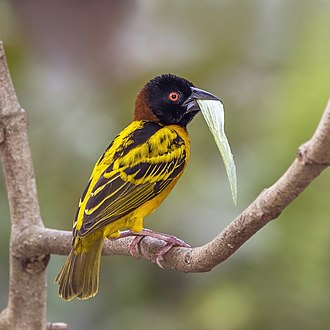
Village Weaver
Ploceus cucullatus
Global Distribution
Warmer areas are where this animal is recorded most often.