


Neotropical Otter
Lontra longicaudis
Silhouette: Margot Michaud · PhyloPic
- KingdomAnimalia (Animals)
- PhylumChordata (Chordates)
- ClassMammalia (Mammals)
- OrderCarnivora (Carnivorans)
- FamilyMustelidae (Mustelids)
- GenusLontra (New World River Otters)
- SpeciesLontra longicaudis (Neotropical Otter)
About the Neotropical Otter
The neotropical otter or neotropical river otter (Lontra longicaudis) is a near-threatened (per the IUCN) otter species found in freshwater systems from Mexico and Central America through mainland South America, as well as the island of Trinidad. It is physically similar to the northern (L. canadensis) and southern river otter (L. provocax), which occur directly north and south of this species' range, respectively. Its head-to-body length can range from 36–66 centimetres (14–26 in), plus a tail of 37–84 centimetres (15–33 in). Body weight ranges from 5–15 kilograms (11–33 lb).
The neotropical otter is found in many different riverine habitats and riparian zones, including those in tropical and temperate deciduous to evergreen forests, savannas, llanos (of Colombia and Venezuela) and the pantanal (in Bolivia, Brazil and Paraguay). It prefers to live in clear, fast-flowing rivers and streams, preferably away from competition with the more boisterous giant otter (Pteronura brasiliensis). Unlike other otters (including the aforementioned giant species), which live in large and cohesive socio-familial units, the neotropical otter is a relatively solitary animal, feeding mostly on fish and crustaceans. Wikipedia →
Recent sightings of Neotropical Otter in Manu National Park
LIVEiNaturalistClosest Relatives at Manu National Park

 Giant Otter
Pteronura brasiliensis

 Tayra
Eira barbara

 Jaguar
Panthera onca

 South American Coati
Nasua nasua

 Ocelot
Leopardus pardalis

Margay
Leopardus wiedii

 Mountain Lion
Puma concolor

 Andean Bear
Tremarctos ornatus

Jaguarundi
Puma yagouaroundi

 Kinkajou
Potos flavus

 Beddard's Olingo
Bassaricyon alleni
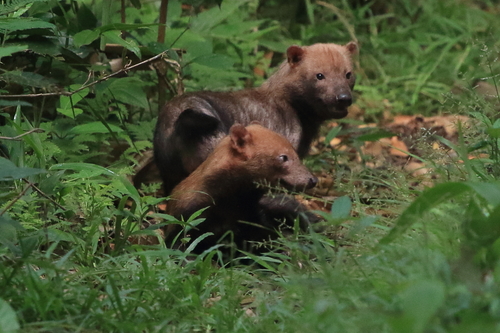
 Bush Dog
Speothos venaticus
Global Distribution
Warmer areas are where this animal is recorded most often.
Parks Where Found
| # | Park | Country | Daily sighting probability |
|---|---|---|---|
| 1 | Iberá National Park | 🇦🇷 Argentina | |
| 2 | Parque Estadual Encontro das Águas | 🇧🇷 Brazil | |
| 3 | Cuyabeno Wildlife Reserve | 🇪🇨 Ecuador | |
| 4 | Yasuní National Park | 🇪🇨 Ecuador | |
| 5 | Amboró National Park | 🇧🇴 Bolivia | |
| 6 | Serra da Canastra National Park | 🇧🇷 Brazil | |
| 7 | Serra dos Órgãos National Park | 🇧🇷 Brazil | |
| 8 | Emas National Park | 🇧🇷 Brazil | |
| 9 | Chingaza National Natural Park | 🇨🇴 Colombia | |
| 10 | El Palmar National Park | 🇦🇷 Argentina | |
| 11 | Iguazú National Park | 🇦🇷 Argentina | |
| 12 | Iguaçu National Park | 🇧🇷 Brazil | |
| 13 | Manu National Park | 🇵🇪 Peru |