


Black-hooded Oriole
Oriolus xanthornus
Silhouette: PhyloPic · PhyloPic
- KingdomAnimalia (Animals)
- PhylumChordata (Chordates)
- ClassAves (Birds)
- OrderPasseriformes (Perching Birds)
- FamilyOriolidae (Old World Orioles)
- GenusOriolus (Old World Orioles)
- SpeciesOriolus xanthornus (Black-hooded Oriole)
About the Black-hooded Oriole
The black-hooded oriole (Oriolus xanthornus) is a member of the oriole family of passerine birds and is a resident breeder in tropical southern Asia from India and Sri Lanka east to Indonesia. It is a bird of open woodland and cultivation. The nest is built in a tree, and contains two eggs. Its food is insects and fruit, especially figs, found in the tree canopies where they spend much of their time.
The black-hooded oriole was formally described by the Swedish naturalist Carl Linnaeus in 1758 in the tenth edition of his Systema Naturae under the binomial name Coracias xanthornus. Linnaeus was confused by the similar appearance of the unrelated New World orioles and the Old World orioles. In his entry for Coracias xanthornus he cited descriptions of birds occurring in Jamaica by Mark Catesby and Patrick Browne as well as an illustration by George Edwards of a bird occurring in Bengal. Linnaeus specified the habitat as "America" but Bengal is now the recognised type location. Also in the 10th edition Linnaeus listed Sturnus luteolus among the starlings and cited another illustration by Edwards. He renamed this species as Oriolus melanocephalus in the 12th... Wikipedia →
Recent sightings of Black-hooded Oriole in Minneriya National Park
LIVEiNaturalistClosest Relatives at Minneriya National Park

 Indian Robin
Saxicoloides fulicatus

 Purple-rumped Sunbird
Leptocoma zeylonica
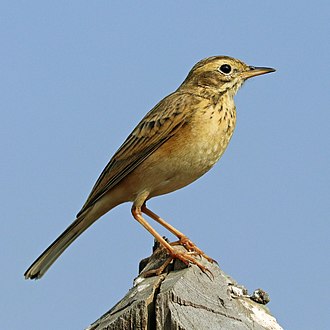
 Oriental Pipit
Anthus rufulus

 Large-billed Crow
Corvus macrorhynchos

 Yellow-billed Babbler
Turdoides affinis

Common Iora
Aegithina tiphia

Common Tailorbird
Orthotomus sutorius

Oriental Magpie-Robin
Copsychus saularis

 Pale-billed Flowerpecker
Dicaeum erythrorhynchos

 Barn Swallow
Hirundo rustica

 White-browed Bulbul
Pycnonotus luteolus

Plain Prinia
Prinia inornata
Global Distribution
Warmer areas are where this animal is recorded most often.
Parks Where Found
Quick answers
What are the chances of seeing a Black-hooded Oriole in Minneriya National Park?
About 30% of wildlife watchers report a Black-hooded Oriole sighting in Minneriya National Park, based on 86 verified sightings from GBIF citizen-science data.
When is the best time to see Black-hooded Oriole in Minneriya National Park?
May has the highest sighting rate for Black-hooded Oriole in Minneriya National Park in our monthly data.