


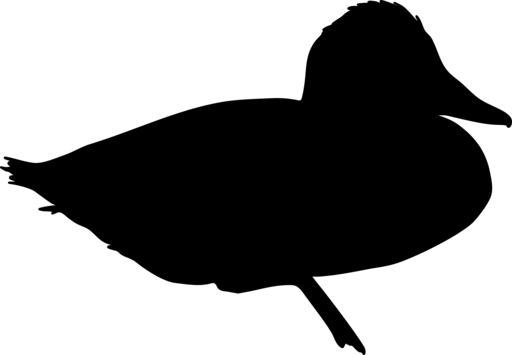
Common Pochard
Aythya ferina
Silhouette: Marie-Aimée ALLARD · PhyloPic
- KingdomAnimalia (Animals)
- PhylumChordata (Chordates)
- ClassAves (Birds)
- OrderAnseriformes (Waterfowl)
- FamilyAnatidae (Ducks, Geese, and Swans)
- GenusAythya (Scaups, Pochards, and Allies)
- SpeciesAythya ferina (Common Pochard)
About the Common Pochard
The common pochard (Aythya ferina), known simply as pochard in the United Kingdom, is a medium-sized diving duck in the family Anatidae. It is widespread across the Palearctic. It breeds primarily in Scandinavia and the steppe regions of Siberia, and winters farther south and west.
Swedish taxonomist Carl Linnaeus first assigned a scientific name to the common pochard in the tenth edition of his landmark treatise Systema Naturae; this was the first edition which included such names. He called the duck Anas ferina. In 1822, German zoologist Friedrich Boie created the genus Aythya for various diving ducks, and moved the common pochard to that new genus. Uptake of Aythya as the genus for the common pochard was mixed for much of the next century, with some authors leaving the duck in the genus Anas or assigning it to various other now-defunct genera instead. The common pochard is considered a superspecies with the canvasback. In the past, the redhead of North America was thought to be a subspecies, but the common pochard is now agreed to be monotypic, with no subspecies. It is known to have hybridised with tufted duck and ferruginous duck in captivity, and... Wikipedia →
Recent sightings of Common Pochard in Triglav National Park
LIVEiNaturalistClosest Relatives at Triglav National Park

 Tufted Duck
Aythya fuligula

 Mallard
Anas platyrhynchos

 Common Merganser
Mergus merganser

 Mute Swan
Cygnus olor

 Mandarin Duck
Aix galericulata

 Greylag Goose
Anser anser

Velvet Scoter
Melanitta fusca

 Gadwall
Mareca strepera

Garganey
Spatula querquedula

Common Teal
Anas crecca

 Northern Shoveler
Spatula clypeata

 Eurasian Wigeon
Mareca penelope
Global Distribution
Warmer areas are where this animal is recorded most often.