



Ashy Drongo
Dicrurus leucophaeus
Silhouette: Ferran Sayol · PhyloPic
- KingdomAnimalia (Animals)
- PhylumChordata (Chordates)
- ClassAves (Birds)
- OrderPasseriformes (Perching Birds)
- FamilyDicruridae (Drongos)
- GenusDicrurus (Drongos)
- SpeciesDicrurus leucophaeus (Ashy Drongo)
About the Ashy Drongo
The ashy drongo (Dicrurus leucophaeus) is a species of bird in the drongo family Dicruridae. It is found widely distributed across eastern and Southeast Asia, with several populations that vary in the shade of grey, migration patterns and in the size or presence of white patches around the eye.
The adult ashy drongo is mainly dark grey, and the tail is long and deeply forked, There are a number of subspecies varying in the shade of the grey plumage. Some subspecies have white markings on the head. Young birds are dull brownish grey.
Subspecies longicaudatus of India (which includes beavani of the Himalayas that winters on the peninsula, with one breeding population in central India that Vaurie separates as longicaudatus in the restricted sense) is very dark and almost like the black drongo although this bird is slimmer and has a somewhat longer and less-splayed tail. It is found in more tall forest habitat, has dark grey underside lacking the sheen of black drongo. The iris is crimson and there is no white rictal spot. Subspecies leucogenis and salangensis have a white eye-patch as do several of the island forms that breed further south. The calls are a little more... Wikipedia →
Recent sightings of Ashy Drongo in Wilpattu National Park
LIVEiNaturalistClosest Relatives at Wilpattu National Park

 Black Drongo
Dicrurus macrocercus

White-bellied Drongo
Dicrurus caerulescens

 Greater Racket-tailed Drongo
Dicrurus paradiseus

Sri Lanka Drongo
Dicrurus lophorinus

 Indian Robin
Saxicoloides fulicatus

Oriental Magpie-Robin
Copsychus saularis

 Black-hooded Oriole
Oriolus xanthornus

 Indian Paradise-Flycatcher
Terpsiphone paradisi

 White-browed Bulbul
Pycnonotus luteolus
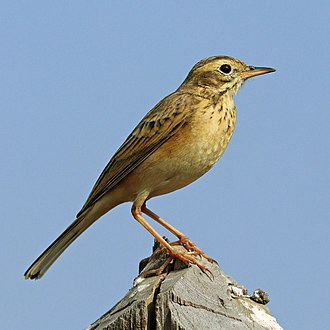
 Oriental Pipit
Anthus rufulus

 Common Iora
Aegithina tiphia

Purple-rumped Sunbird
Leptocoma zeylonica
Global Distribution
Warmer areas are where this animal is recorded most often.
Parks Where Found
Quick answers
What are the chances of seeing a Ashy Drongo in Wilpattu National Park?
Under 5% of wildlife watchers report a Ashy Drongo sighting in Wilpattu National Park, based on 8 verified sightings from GBIF citizen-science data.
When is the best time to see Ashy Drongo in Wilpattu National Park?
April has the highest sighting rate for Ashy Drongo in Wilpattu National Park in our monthly data.