


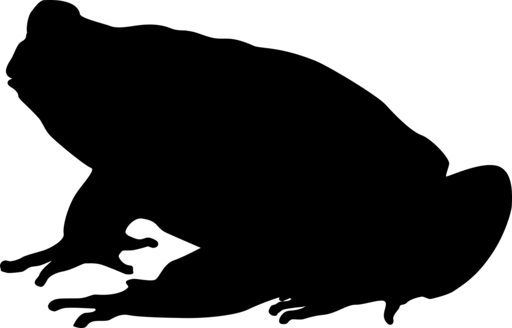
Eastern Cane Toad
Rhinella marina
Silhouette: Dennis C. Murphy, after http://bit.ly/4q6IESe · PhyloPic
- KingdomAnimalia (Animals)
- PhylumChordata (Chordates)
- ClassAmphibia (Amphibians)
- OrderAnura (Frogs and Toads)
- FamilyBufonidae (True Toads)
- GenusRhinella (Beaked Toads)
- SpeciesRhinella marina (Eastern Cane Toad)
About the Eastern Cane Toad
The cane toad (Rhinella marina), also known as the giant neotropical toad or marine toad, is a large, terrestrial true toad native to South and mainland Central America, but which has been introduced to various islands throughout Oceania and the Caribbean, as well as Northern Australia. It is a member of the genus Rhinella, which includes many true toad species found throughout Central and South America, but it was formerly assigned to the genus Bufo.
A fossil toad (specimen UCMP 41159) from the La Venta fauna of the late Miocene in Colombia is morphologically indistinguishable from modern cane toads from northern South America. It was discovered in a floodplain deposit, which suggests the R. marina habitat preferences have long been for open areas. The cane toad is a prolific breeder; females lay single-clump spawns with thousands of eggs. Its reproductive success is partly because of opportunistic feeding: it has a diet, unusual among anurans, of both dead and living matter. Adults average 10–15 cm (4–6 in) in length; the largest recorded specimen had a snout–vent length of 24 cm (9.4 in).
The cane toad has poison glands, and the tadpoles are highly toxic to most animals if ingested. Its toxic skin can kill many animals, both wild and domesticated, and cane toads are particularly dangerous to dogs. Because of its voracious appetite, the cane toad has been introduced to many regions of the Pacific and the Caribbean islands as a method of agricultural pest control. The common name of the species is derived from its use against the cane beetle (Dermolepida albohirtum), which damages sugar cane. The cane toad is now considered a pest and an invasive species in many of its introduced regions. The 1988 film Cane Toads: An Unnatural History documented the trials and tribulations of the introduction of cane toads in Australia. Wikipedia →
Recent sightings of Eastern Cane Toad in Anavilhanas National Park
LIVEiNaturalistClosest Relatives at Anavilhanas National Park

 South American Common Toad
Rhinella margaritifera

Snouted Toad
Rhinella proboscidea

 Smoky Jungle Frog
Leptodactylus pentadactylus

 Giant Broad-headed Treefrog
Osteocephalus taurinus

 Rusty Tree Frog
Boana boans

 Boatman frog
Trachycephalus resinifictrix
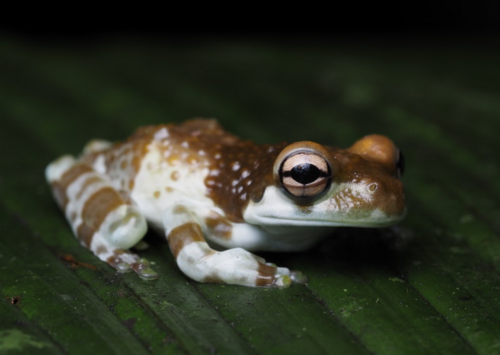
Toad-wife Tree Frog
Trachycephalus cunauaru

Loreto White-lipped Frog
Leptodactylus rhodomystax

 Three-striped Poison Frog
Ameerega trivittata

Red Snouted Tree Frog
Scinax ruber

Dwarf Tree Frog
Dendropsophus nanus

 Cocha Chirping Frog
Adenomera andreae
Global Distribution
Warmer areas are where this animal is recorded most often.
Parks Where Found
Quick answers
What are the chances of seeing a Eastern Cane Toad in Anavilhanas National Park?
About 30% of wildlife watchers report a Eastern Cane Toad sighting in Anavilhanas National Park, based on 17 verified sightings from GBIF citizen-science data.
When is the best time to see Eastern Cane Toad in Anavilhanas National Park?
February has the highest sighting rate for Eastern Cane Toad in Anavilhanas National Park in our monthly data.