
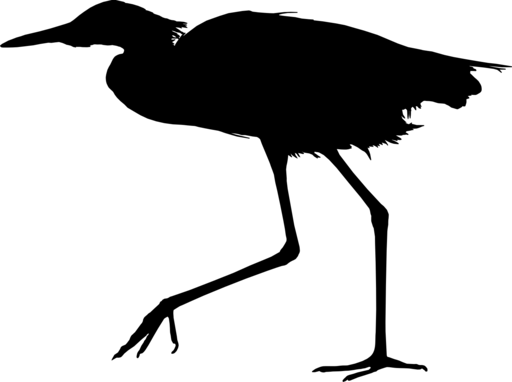
Reddish Egret
Egretta rufescens
Silhouette: Amanda Kuhlman · PhyloPic
- KingdomAnimalia (Animals)
- PhylumChordata (Chordates)
- ClassAves (Birds)
- OrderPelecaniformes (Pelicans, Herons, Ibises, and Allies)
- FamilyArdeidae (Herons, Egrets, and Bitterns)
- GenusEgretta (Small Egrets and Herons)
- SpeciesEgretta rufescens (Reddish Egret)
About the Reddish Egret
The reddish egret (Egretta rufescens) is a medium-sized heron that is a resident breeder in Central America, the Bahamas, the Caribbean, the Gulf Coast of the United States (primarily Texas), and Mexico. The egret is known for its unusual foraging behavior compared to other herons as well as its association with mud flats, its habitat of choice.
In the past, this bird was a victim of the plume trade and is North America's "rarest and least studied ardeid." The reddish egret was formally described in 1789 by the German naturalist Johann Friedrich Gmelin in his revised and expanded edition of Carl Linnaeus's Systema Naturae. He placed it with the herons, cranes and egrets in the genus Ardea and coined the binomial name Ardea rufescens. Gmelin based his description on that of the English ornithologist John Latham who in 1785 had included the species in his multi-volume A General Synopsis of Birds. Latham had in turn based his own description on the "L'Aigrette rousse, de la Louisiane" that the French polymath Comte de Buffon had described and illustrated in his Histoire Naturelle des Oiseaux. The reddish egret is now placed with 12 other species in the genus Egretta that... Wikipedia →
Recent sightings of Reddish Egret in Carara National Park
LIVEiNaturalistClosest Relatives at Carara National Park

 Snowy Egret
Egretta thula

Little Blue Heron
Egretta caerulea

Tricolored Heron
Egretta tricolor

 Bare-throated Tiger Heron
Tigrisoma mexicanum

 Cattle Egret
Bubulcus ibis

 Great Egret
Ardea alba

 Great Blue Heron
Ardea herodias

 Green Heron
Butorides virescens

 Yellow-crowned Night-Heron
Nyctanassa violacea

Boat-billed Heron
Cochlearius cochlearius

Fasciated Tiger Heron
Tigrisoma fasciatum

 Black-crowned Night Heron
Nycticorax nycticorax
Global Distribution
Warmer areas are where this animal is recorded most often.