

Lesser Moorhen
Gallinula angulata
Silhouette: Andy Wilson · PhyloPic
- KingdomAnimalia (Animals)
- PhylumChordata (Chordates)
- ClassAves (Birds)
- OrderGruiformes (Cranes, Rails, and Allies)
- FamilyRallidae (Rails, Gallinules, and Coots)
- GenusGallinula (Typical Moorhens)
- SpeciesGallinula angulata (Lesser Moorhen)
About the Lesser Moorhen
The lesser moorhen (Paragallinula angulata) is a species of bird in the family Rallidae. It is sometimes placed into the genus Gallinula. It is the only member of the genus Paragallinula. The lesser moorhen was formerly placed in the genus Gallinula, but a 2015 molecular genetic study demonstrated that Gallinula was composed of four distinct lineages. The genus was split into four genera: Gallinula (sensu stricto), Paragallinula, Porphyriops, and Tribonyx.
P. angulata is the only known species of Paragallinula which makes Paragallinula a monotypic genus. The name Paragallinula comes from the Greek para 'beside' and the genus Gallinula. It is named for its similarity with the members of Gallinula, but it also indicates its unique genetic lineage.
The lesser moorhen is widely spread across Sub-Saharan Africa (excluding Southern Africa and Madagascar). It was once recorded in the Western Palearctic as a rare vagrant. This species has also been sighted in Brazil, Egypt, Morocco, and Oman.
Lesser moorhen - Species text in The Atlas of Southern African Birds Wikipedia →
Recent sightings of Lesser Moorhen in Etosha National Park
LIVEiNaturalistClosest Relatives at Etosha National Park

 Common Moorhen
Gallinula chloropus

 Black Crake
Amaurornis flavirostra

 Red-knobbed Coot
Fulica cristata

 African Rail
Rallus caerulescens

 Allen's Gallinule
Porphyrio alleni

Western Swamphen
Porphyrio porphyrio

 African Crake
Crex egregia

 Blue Crane
Anthropoides paradiseus
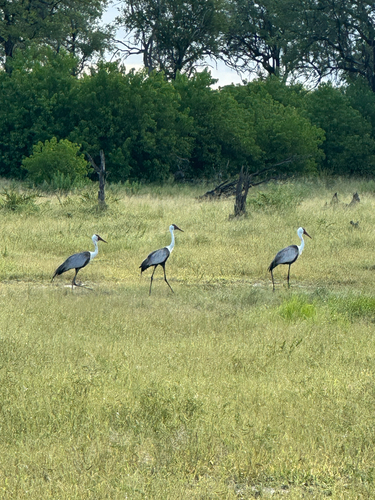
Wattled Crane
Bugeranus carunculatus
Global Distribution
Warmer areas are where this animal is recorded most often.
Parks Where Found
Quick answers
What are the chances of seeing a Lesser Moorhen in Etosha National Park?
Under 5% of wildlife watchers report a Lesser Moorhen sighting in Etosha National Park, based on 11 verified sightings from GBIF citizen-science data.
When is the best time to see Lesser Moorhen in Etosha National Park?
December has the highest sighting rate for Lesser Moorhen in Etosha National Park in our monthly data.