


Crested Tit
Lophophanes cristatus
- KingdomAnimalia (Animals)
- PhylumChordata (Chordates)
- ClassAves (Birds)
- OrderPasseriformes (Perching Birds)
- FamilyParidae (Tits, Chickadees, and Titmice)
- GenusLophophanes (Crested Tits)
- SpeciesLophophanes cristatus (Crested Tit)
About the Crested Tit
The crested tit or European crested tit (Lophophanes cristatus) is a passerine bird in the tit family Paridae. It is a widespread and common resident breeder in coniferous forests throughout central and northern Europe and in deciduous woodland in France and the Iberian Peninsula. In Great Britain, it is mainly restricted to the ancient pinewoods of Inverness and Strathspey in Scotland, and rarely strays far from its haunts. A few vagrant crested tits have been seen in England. It is resident, and most individuals do not migrate.
The crested tit was formally described in 1758 by the Swedish naturalist Carl Linnaeus in the tenth edition of his Systema Naturae under the binomial name Parus cristatus. Linnaeus specified the type locality as Europe, but this was restricted to Sweden by German naturalist Johann Jakob Kaup in 1905. The crested tit is now placed together with grey-crested tit in the genus Lophophanes that was introduced in 1829 by the German naturalist Johann Jakob Kaup. The current genus name, Lophophanes, is from the Ancient Greek lophos, "crest", and
phaino, "to show". The specific cristatus is Latin for "crested". This species was formerly placed in Parus... Wikipedia →
Closest Relatives at Hohe Tauern National Park

Coal Tit
Periparus ater

Great Tit
Parus major

Willow Tit
Poecile montanus
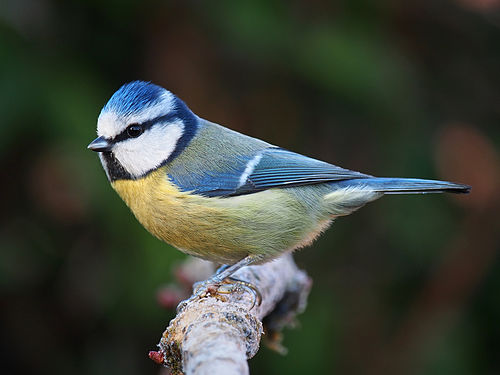
Blue Tit
Cyanistes caeruleus

Marsh Tit
Poecile palustris

Black Redstart
Phoenicurus ochruros

Common Raven
Corvus corax

Water Pipit
Anthus spinoletta

Chaffinch
Fringilla coelebs

Alpine Chough
Pyrrhocorax graculus

White Wagtail
Motacilla alba

House Martin
Delichon urbicum
Global Distribution
Where this species is recorded worldwide. Restricted to human observations from 2019 onwards — the same kind of record and the same period the probabilities on this page are built from, so collar-tracking studies, camera-trap arrays and museum specimens are excluded. Around Santa Rosa that removes 5,924 GPS fixes from a handful of tagged jaguars.
where this species is recorded (GBIF density — it tracks where observers go, not how likely a sighting is) · parks where it occurs — tap a pin for the sighting probability there
Parks Where Found
| # | Park | Country | Daily sighting probability |
|---|---|---|---|
| 1 | Aigüestortes National Park | 🇪🇸 Spain | |
| 2 | Ordesa y Monte Perdido National Park | 🇪🇸 Spain | |
| 3 | Pyrénées National Park | 🇫🇷 France | |
| 4 | Triglav National Park | 🇸🇮 Slovenia | |
| 5 | Tatra National Park | 🇸🇰 Slovakia | |
| 6 | Ecrins National Park | 🇫🇷 France | |
| 7 | Vanoise National Park | 🇫🇷 France | |
| 8 | Białowieża National Park | 🇵🇱 Poland | |
| 9 | Bavarian Forest National Park | 🇩🇪 Germany | |
| 10 | Sierra de Guadarrama National Park | 🇪🇸 Spain | |
| 11 | Cévennes National Park | 🇫🇷 France | |
| 12 | Cairngorms National Park | 🇬🇧 United Kingdom | |
| 13 | Hohe Tauern National Park | 🇦🇹 Austria | |
| 14 | Mercantour National Park | 🇫🇷 France | |
| 15 | Sierra Nevada National Park | 🇪🇸 Spain | |
| 16 | Biebrza National Park | 🇵🇱 Poland | |
| 17 | Picos de Europa National Park | 🇪🇸 Spain | |
| 18 | Gauja National Park | 🇱🇻 Latvia | |
| 19 | Doñana National Park | 🇪🇸 Spain | |
| 20 | Monfragüe National Park | 🇪🇸 Spain | |
| 21 | Wadden Sea National Park | 🇩🇪 Germany | |
| 22 | Plitvice Lakes National Park | 🇭🇷 Croatia | |
| 23 | Fertő-Hanság National Park | 🇭🇺 Hungary |
Quick answers
What are the chances of seeing a Crested Tit in Hohe Tauern National Park?
About 20% of wildlife watchers report a Crested Tit sighting in Hohe Tauern National Park, based on 29 verified sightings from GBIF citizen-science data.
When is the best time to see Crested Tit in Hohe Tauern National Park?
April has the highest sighting rate for Crested Tit in Hohe Tauern National Park in our monthly data.