



Brown Shrike
Lanius cristatus
Silhouette: Andy Wilson · PhyloPic
- KingdomAnimalia (Animals)
- PhylumChordata (Chordates)
- ClassAves (Birds)
- OrderPasseriformes (Perching Birds)
- FamilyLaniidae (Shrikes)
- GenusLanius (Typical Shrikes)
- SpeciesLanius cristatus (Brown Shrike)
About the Brown Shrike
The brown shrike (Lanius cristatus) is a bird in the shrike family that is found mainly in Asia. It is closely related to the red-backed shrike (L. collurio) and isabelline shrike (L. isabellinus). The genus name, Lanius, is derived from the Latin word for "butcher", and some shrikes are also known as "butcher birds" because of their feeding habits. The specific cristatus is Latin for "crested", used in a broader sense than in English. The common English name "shrike" is from Old English scríc, "shriek", referring to the shrill call.
Like most other shrikes, it has a distinctive black "bandit-mask" through the eye and is found mainly in open scrub habitats, where it perches on the tops of thorny bushes in search of prey. Several populations of this widespread species form distinctive subspecies which breed in temperate Asia and migrate to their winter quarters in tropical Asia. They are sometimes found as vagrants in Europe and North America.
In 1747 the English naturalist George Edwards included an illustration and a description of the brown shrike in the second volume of his A Natural History of Uncommon Birds. He used the English name "The Crested Red, or Russit Butcher... Wikipedia →
Recent sightings of Brown Shrike in Horton Plains National Park
LIVEiNaturalistClosest Relatives at Horton Plains National Park

 Sri Lanka White-eye
Zosterops ceylonensis

 Pied Bushchat
Saxicola caprata

 Yellow-eared Bulbul
Pycnonotus penicillatus

 Hill Swallow
Hirundo domicola

 Dull-blue Flycatcher
Eumyias sordidus

 Large-billed Crow
Corvus macrorhynchos

 Cinereous Tit
Parus cinereus
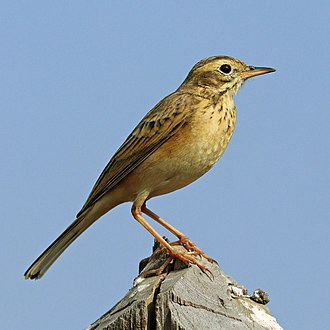
 Oriental Pipit
Anthus rufulus

 Indian Blackbird
Turdus simillimus

 Zitting Cisticola
Cisticola juncidis

Sri Lanka Bush-Warbler
Elaphrornis palliseri

 Grey Wagtail
Motacilla cinerea
Global Distribution
Warmer areas are where this animal is recorded most often.
Parks Where Found
Quick answers
What are the chances of seeing a Brown Shrike in Horton Plains National Park?
About 20% of wildlife watchers report a Brown Shrike sighting in Horton Plains National Park, based on 94 verified sightings from GBIF citizen-science data.
When is the best time to see Brown Shrike in Horton Plains National Park?
May has the highest sighting rate for Brown Shrike in Horton Plains National Park in our monthly data.