


Coal Tit
Periparus ater
- KingdomAnimalia (Animals)
- PhylumChordata (Chordates)
- ClassAves (Birds)
- OrderPasseriformes (Perching Birds)
- FamilyParidae (Tits, Chickadees, and Titmice)
- GenusPeriparus (Tufted and Yellow-bellied Tits)
- SpeciesPeriparus ater (Coal Tit)
About the Coal Tit
The coal tit (Periparus ater) is a passerine bird in the tit family, Paridae. It is a widespread and common resident breeder in forests throughout the temperate to subtropical Palearctic, including North Africa. The black-crested tit is now included in this species.
This species was first described by Carl Linnaeus in his landmark 1758 10th edition of Systema Naturae. Linnaeus' primary reference was his earlier Fauna Svecica, whose pre-binomial name Parus capite nigro: vertice albo, dorso cinereo, pectore albo ("black-headed tit with white nape, ash-grey back, white breast") became Parus ater. This name – meaning "dusky-black tit" – was simply adopted from older ornithological textbooks, ultimately going back to Conrad Gessner's 1555 Historia animalium. He gave no type locality except "Europe", but his original description refers to the population inhabiting Sweden (which is consequently included in the nominate subspecies today). The current genus name, is Ancient Greek peri plus the pre-existing genus Parus. The specific ater is Latin for "dull black".
The coal tit is placed in the genus Periparus, which was formerly widely considered a subgenus of Parus... Wikipedia →
Closest Relatives at Vanoise National Park

Great Tit
Parus major
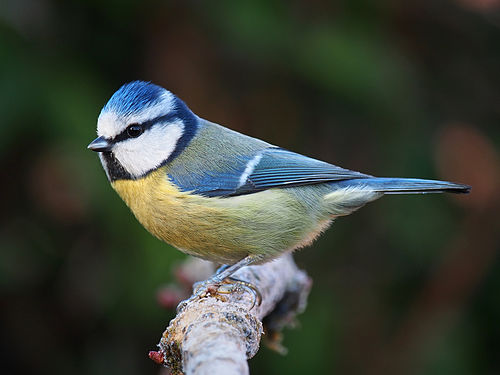
Blue Tit
Cyanistes caeruleus

Crested Tit
Lophophanes cristatus

Willow Tit
Poecile montanus

Marsh Tit
Poecile palustris

Chaffinch
Fringilla coelebs

Black Redstart
Phoenicurus ochruros

White Wagtail
Motacilla alba

Alpine Chough
Pyrrhocorax graculus

Eurasian Crag Martin
Ptyonoprogne rupestris

Carrion Crow
Corvus corone

Eurasian Blackbird
Turdus merula
Global Distribution
Where this species is recorded worldwide. Restricted to human observations from 2019 onwards — the same kind of record and the same period the probabilities on this page are built from, so collar-tracking studies, camera-trap arrays and museum specimens are excluded. Around Santa Rosa that removes 5,924 GPS fixes from a handful of tagged jaguars.
where this species is recorded (GBIF density — it tracks where observers go, not how likely a sighting is) · parks where it occurs — tap a pin for the sighting probability there
Parks Where Found
Quick answers
What are the chances of seeing a Coal Tit in Vanoise National Park?
About 60% of wildlife watchers report a Coal Tit sighting in Vanoise National Park, based on 219 verified sightings from GBIF citizen-science data.
When is the best time to see Coal Tit in Vanoise National Park?
April has the highest sighting rate for Coal Tit in Vanoise National Park in our monthly data.