


Common Rosefinch
Carpodacus erythrinus
- KingdomAnimalia (Animals)
- PhylumChordata (Chordates)
- ClassAves (Birds)
- OrderPasseriformes (Perching Birds)
- FamilyFringillidae (Finches, Euphonias, and Allies)
- GenusCarpodacus (Typical Rosefinches)
- SpeciesCarpodacus erythrinus (Common Rosefinch)
About the Common Rosefinch
The common rosefinch (Carpodacus erythrinus) or scarlet rosefinch is the most widespread and common rosefinch of Asia and Europe. In a molecular phylogenetic study of the finch family published in 2012, Zuccon and colleagues found that the common rosefinch fell outside the core Carpodacus rosefinch clade and was a sister to the scarlet finch (at the time Haematospiza sipahi). They recommended that the common rosefinch should be moved to a new monotypic genus with the resurrected name of Erythrina. The British Ornithologists' Union accepted this proposal, but the International Ornithological Union chose instead to adopt a more inclusive Carpodacus that retained the common rosefinch in the rosefinch genus.
The genus name is from Ancient Greek karpos, "fruit" and dakno, "to bite", and the specific erythrinus is from Latin erythros, "red". The common rosefinch is 13–15 cm (5.1–5.9 in) in length. It has a stout and conical bill. The mature male has brilliant rosy-carmine head, breast and rump; heavy bill; dark brown wings with two indistinct bars, and a white belly. Females and young males are dull-colored with yellowish-brown above, brighter on the rump... Wikipedia →
Closest Relatives at Ecrins National Park

Chaffinch
Fringilla coelebs

Eurasian Goldfinch
Carduelis carduelis

European Serin
Serinus serinus

Linnet
Linaria cannabina

European Greenfinch
Chloris chloris

Red Crossbill
Loxia curvirostra
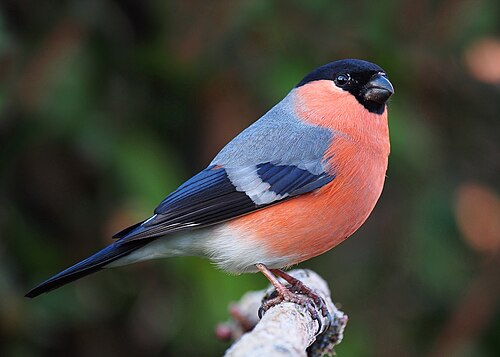
Eurasian Bullfinch
Pyrrhula pyrrhula

Common Redpoll
Acanthis flammea

Eurasian Siskin
Spinus spinus

Citril Finch
Carduelis citrinella

Brambling
Fringilla montifringilla

Hawfinch
Coccothraustes coccothraustes
Global Distribution
Where this species is recorded worldwide. Restricted to human observations from 2019 onwards — the same kind of record and the same period the probabilities on this page are built from, so collar-tracking studies, camera-trap arrays and museum specimens are excluded. Around Santa Rosa that removes 5,924 GPS fixes from a handful of tagged jaguars.
where this species is recorded (GBIF density — it tracks where observers go, not how likely a sighting is) · parks where it occurs — tap a pin for the sighting probability there