


Linnet
Linaria cannabina
- KingdomAnimalia (Animals)
- PhylumChordata (Chordates)
- ClassAves (Birds)
- OrderPasseriformes (Perching Birds)
- FamilyFringillidae (Finches, Euphonias, and Allies)
- GenusLinaria (Toadflaxes)
- SpeciesLinaria cannabina (Linnet)
About the Linnet
The common linnet or Eurasian linnet (Linaria cannabina) is a small passerine bird of the finch family, Fringillidae. It derives its common name and the scientific name, Linaria, from its fondness for hemp seeds and flax seeds—flax being the English name of the plant from which linen is made.
In 1758, the Swedish naturalist Carl Linnaeus included the common linnet in the 10th edition of his Systema Naturae under the binomial name, Acanthis cannabina. The species was formerly placed in the genus Carduelis but based on the results of a phylogenetic analysis of mitochondrial and nuclear DNA sequences published in 2012, it was moved to the genus Linaria that had been introduced by the German naturalist Johann Matthäus Bechstein in 1802.
The genus name linaria is the Latin for a linen-weaver, from linum, "flax". The species name cannabina comes from the Latin for hemp. The English name has a similar root, being derived from Old French linette, from lin, "flax".
There are seven recognised subspecies: L. c. autochthona (Clancey, 1946) – Scotland L. c. cannabina (Linnaeus, 1758) – western, central and northern Europe, western and central Siberia. Non-breeding in north Africa... Wikipedia →
Closest Relatives at Ecrins National Park

Chaffinch
Fringilla coelebs

Eurasian Goldfinch
Carduelis carduelis

European Serin
Serinus serinus

European Greenfinch
Chloris chloris

Red Crossbill
Loxia curvirostra
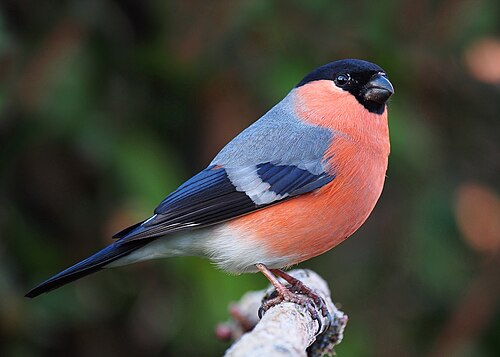
Eurasian Bullfinch
Pyrrhula pyrrhula

Common Redpoll
Acanthis flammea

Eurasian Siskin
Spinus spinus

Citril Finch
Carduelis citrinella

Common Rosefinch
Carpodacus erythrinus

Brambling
Fringilla montifringilla

Hawfinch
Coccothraustes coccothraustes
Global Distribution
Where this species is recorded worldwide. Restricted to human observations from 2019 onwards — the same kind of record and the same period the probabilities on this page are built from, so collar-tracking studies, camera-trap arrays and museum specimens are excluded. Around Santa Rosa that removes 5,924 GPS fixes from a handful of tagged jaguars.
where this species is recorded (GBIF density — it tracks where observers go, not how likely a sighting is) · parks where it occurs — tap a pin for the sighting probability there
Parks Where Found
Quick answers
What are the chances of seeing a Linnet in Ecrins National Park?
About 30% of wildlife watchers report a Linnet sighting in Ecrins National Park, based on 83 verified sightings from GBIF citizen-science data.
When is the best time to see Linnet in Ecrins National Park?
August has the highest sighting rate for Linnet in Ecrins National Park in our monthly data.