


Song Thrush
Turdus philomelos
- KingdomAnimalia (Animals)
- PhylumChordata (Chordates)
- ClassAves (Birds)
- OrderPasseriformes (Perching Birds)
- FamilyTurdidae (Thrushes)
- GenusTurdus (Typical Thrushes)
- SpeciesTurdus philomelos (Song Thrush)
About the Song Thrush
The song thrush (Turdus philomelos) is a thrush that breeds across the West Palearctic. It has brown upperparts and black-spotted cream or buff underparts and has four recognised subspecies. Its distinctive song, which features repeated musical phrases, has frequently been referenced in poetry.
The song thrush breeds in forests, gardens and parks. It is partially migratory, with many birds wintering in southern Europe, North Africa and the Middle East. The species has also been introduced into New Zealand and Australia. While it is not globally threatened, serious population declines have been observed in some European regions, potentially due to changes in farming practices.
The song thrush builds a neat, mud-lined cup nest in a bush or tree and lays four to five dark-spotted blue eggs. It is omnivorous and has the habit of using a favourite stone as an "anvil" on which to break open the shells of snails. Like other perching birds (passerines), it is susceptible to external and internal parasites and is vulnerable to predation by cats and birds of prey.
The song thrush was described by German ornithologist Christian Ludwig Brehm in 1831, and... Wikipedia →
Closest Relatives at Plitvice Lakes National Park

Eurasian Blackbird
Turdus merula

Mistle Thrush
Turdus viscivorus

Chaffinch
Fringilla coelebs

Great Tit
Parus major

European Robin
Erithacus rubecula

Eurasian Nuthatch
Sitta europaea

Marsh Tit
Poecile palustris

Blackcap
Sylvia atricapilla

Common Chiffchaff
Phylloscopus collybita

Grey Wagtail
Motacilla cinerea

Eurasian Jay
Garrulus glandarius
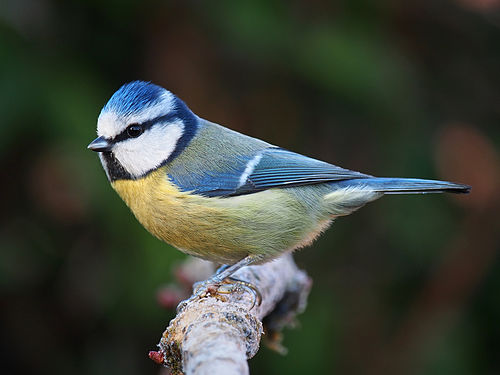
Blue Tit
Cyanistes caeruleus
Global Distribution
Where this species is recorded worldwide. Restricted to human observations from 2019 onwards — the same kind of record and the same period the probabilities on this page are built from, so collar-tracking studies, camera-trap arrays and museum specimens are excluded. Around Santa Rosa that removes 5,924 GPS fixes from a handful of tagged jaguars.
where this species is recorded (GBIF density — it tracks where observers go, not how likely a sighting is) · parks where it occurs — tap a pin for the sighting probability there
Parks Where Found
Quick answers
What are the chances of seeing a Song Thrush in Plitvice Lakes National Park?
About 60% of wildlife watchers report a Song Thrush sighting in Plitvice Lakes National Park, based on 196 verified sightings from GBIF citizen-science data.
When is the best time to see Song Thrush in Plitvice Lakes National Park?
April has the highest sighting rate for Song Thrush in Plitvice Lakes National Park in our monthly data.