



Plain-backed Pipit
Anthus leucophrys
Silhouette: Susan Murphy (original photograph), T. Michael Keesey (vectorization) · PhyloPic
- KingdomAnimalia (Animals)
- PhylumChordata (Chordates)
- ClassAves (Birds)
- OrderPasseriformes (Perching Birds)
- FamilyMotacillidae (Wagtails and Pipits)
- GenusAnthus (Pipits)
- SpeciesAnthus leucophrys (Plain-backed Pipit)
About the Plain-backed Pipit
The plain-backed pipit or plain pipit (Anthus leucophrys) is a medium-sized passerine bird which is a resident breeder in Africa south of the Sahara Desert. It is found in open habitats, especially short grassland and cultivation. It builds its cup-shaped nest on the ground and usually lays three eggs. Like other pipits, this species is insectivorous.
The plain-backed pipit is a large pipit at 17 cm, but is otherwise an undistinguished looking species, faintly streaked grey-brown above and pale below with light breast streaking. It has a strong white supercilium, and dark moustachial stripes. It has long legs and tail, and a long dark bill. Sexes are similar, but juveniles have warmer brown upperparts.
Some care must be taken to distinguish this species from wintering tawny pipits, Anthus campestris. The plain-backed pipit is sturdier and darker than the Tawny, and stands more upright. Perhaps the best distinction is the characteristic "ssissik" call, quite different from the tawny pipit's "tchilip".
Birds of The Gambia by Barlow, Wacher and Disley, ISBN 1-873403-32-1 Plain-backed pipit - Species text in The Atlas of Southern African Birds. Wikipedia →
Recent sightings of Plain-backed Pipit in Semuliki National Park
LIVEiNaturalistClosest Relatives at Semuliki National Park

 Grassveld Pipit
Anthus cinnamomeus

 African Pied Wagtail
Motacilla aguimp

 Yellow-throated Longclaw
Macronyx croceus

Western Yellow Wagtail
Motacilla flava

Mountain Wagtail
Motacilla clara

Crested Malimbe
Malimbus malimbicus

 Red-tailed Greenbul
Criniger calurus

Western Nicator
Nicator chloris

 Fraser's Rufous Thrush
Stizorhina fraseri
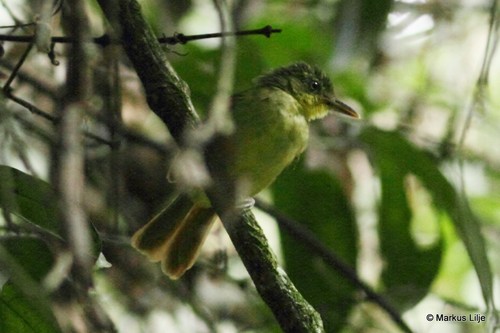
Xavier's Greenbul
Phyllastrephus xavieri

Red-tailed Ant-Thrush
Neocossyphus rufus

 Common Bulbul
Pycnonotus barbatus
Global Distribution
Warmer areas are where this animal is recorded most often.
Parks Where Found
Quick answers
What are the chances of seeing a Plain-backed Pipit in Semuliki National Park?
Under 5% of wildlife watchers report a Plain-backed Pipit sighting in Semuliki National Park, based on 10 verified sightings from GBIF citizen-science data.
When is the best time to see Plain-backed Pipit in Semuliki National Park?
March has the highest sighting rate for Plain-backed Pipit in Semuliki National Park in our monthly data.