


Chaffinch
Fringilla coelebs
- KingdomAnimalia (Animals)
- PhylumChordata (Chordates)
- ClassAves (Birds)
- OrderPasseriformes (Perching Birds)
- FamilyFringillidae (Finches, Euphonias, and Allies)
- GenusFringilla (Chaffinches and Brambling)
- SpeciesFringilla coelebs (Chaffinch)
About the Chaffinch
The Eurasian chaffinch, common chaffinch, or simply the chaffinch (Fringilla coelebs) is a common and widespread small passerine bird – in the finch family. The male is brightly coloured with a blue-grey cap and rust-red underparts. The female is more subdued in colouring, but both sexes have two contrasting white wing bars and white sides to the tail. The male bird has a strong voice and sings from exposed perches to attract a mate.
The chaffinch breeds in much of Europe, across the Palearctic to Siberia. The female builds a nest with a deep cup in the fork of a tree. The clutch is typically four or five eggs, which hatch in about 13 days. The chicks fledge in around 14 days, but are fed by both adults for several weeks after leaving the nest. Outside the breeding season, chaffinches form flocks in open countryside and forage for seeds on the ground. During the breeding season, they forage on trees for invertebrates, especially caterpillars, and feed these to their young. They are partial migrants; birds breeding in warmer regions are sedentary, while those breeding in the colder northern areas of their range winter further south.
The eggs and nestlings of the chaffinch are taken by a variety of mammalian and avian predators. Its large numbers and huge range mean that chaffinches are classed as of least concern by the International Union for Conservation of Nature. Wikipedia →
Closest Relatives at Vanoise National Park

Brambling
Fringilla montifringilla

Eurasian Goldfinch
Carduelis carduelis

Linnet
Linaria cannabina

European Serin
Serinus serinus

Red Crossbill
Loxia curvirostra

Eurasian Siskin
Spinus spinus

European Greenfinch
Chloris chloris
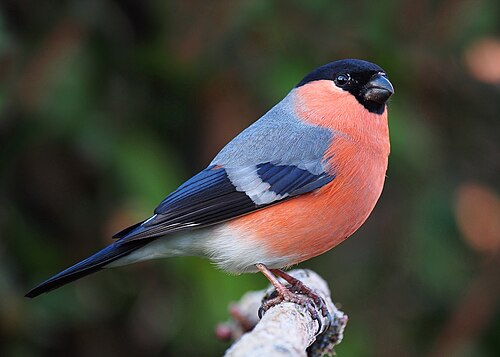
Eurasian Bullfinch
Pyrrhula pyrrhula

Citril Finch
Carduelis citrinella

Common Redpoll
Acanthis flammea

Hawfinch
Coccothraustes coccothraustes

Black Redstart
Phoenicurus ochruros
Global Distribution
Where this species is recorded worldwide. Restricted to human observations from 2019 onwards — the same kind of record and the same period the probabilities on this page are built from, so collar-tracking studies, camera-trap arrays and museum specimens are excluded. Around Santa Rosa that removes 5,924 GPS fixes from a handful of tagged jaguars.
where this species is recorded (GBIF density — it tracks where observers go, not how likely a sighting is) · parks where it occurs — tap a pin for the sighting probability there
Parks Where Found
Quick answers
What are the chances of seeing a Chaffinch in Vanoise National Park?
About 70% of wildlife watchers report a Chaffinch sighting in Vanoise National Park, based on 260 verified sightings from GBIF citizen-science data.
When is the best time to see Chaffinch in Vanoise National Park?
April has the highest sighting rate for Chaffinch in Vanoise National Park in our monthly data.