


Fieldfare
Turdus pilaris
- KingdomAnimalia (Animals)
- PhylumChordata (Chordates)
- ClassAves (Birds)
- OrderPasseriformes (Perching Birds)
- FamilyTurdidae (Thrushes)
- GenusTurdus (Typical Thrushes)
- SpeciesTurdus pilaris (Fieldfare)
About the Fieldfare
The fieldfare (Turdus pilaris) is a member of the thrush family Turdidae. It breeds in woodland and scrub in northern Europe and across the Palearctic. It is strongly migratory, with many northern birds moving south during the winter. It is a very rare breeder in the British Isles, but winters in large numbers in the United Kingdom, Southern Europe, North Africa and the Middle East. It is omnivorous, eating a wide range of molluscs, insects and earthworms in the summer, and berries, grain and seeds in the winter.
Fieldfares often nest in small colonies, possibly for protection from predators. The nest is built in a tree where five or six eggs are laid. The chicks are fed by both parents and leave the nest after a fortnight (a period of two weeks). There may be two broods in southern parts of the range but only one further north. Migrating birds and wintering birds often form large flocks, often in the company of redwings.
The fieldfare is 25 cm (10 in) long, with a grey crown, neck and rump, a plain brown back, dark wings and tail and white underwings. The breast and flanks are heavily spotted. The breast has a reddish wash and the rest of the underparts are white. The sexes are similar in appearance but the females are slightly more brown. The male has a simple chattering song and the birds have various guttural flight and alarm calls. Wikipedia →
Closest Relatives at Ecrins National Park

Eurasian Blackbird
Turdus merula

Mistle Thrush
Turdus viscivorus

Song Thrush
Turdus philomelos

Ring Ouzel
Turdus torquatus

Redwing
Turdus iliacus

Chaffinch
Fringilla coelebs

Coal Tit
Periparus ater

Eurasian Goldfinch
Carduelis carduelis

Blackcap
Sylvia atricapilla

European Robin
Erithacus rubecula
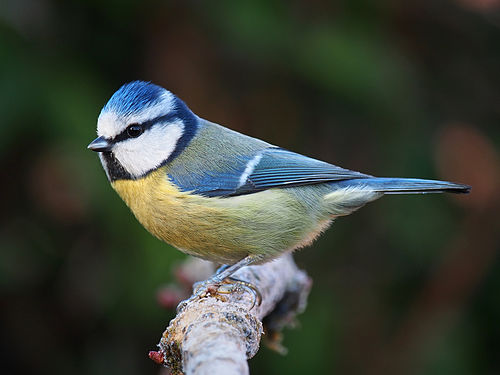
Blue Tit
Cyanistes caeruleus

Great Tit
Parus major
Global Distribution
Where this species is recorded worldwide. Restricted to human observations from 2019 onwards — the same kind of record and the same period the probabilities on this page are built from, so collar-tracking studies, camera-trap arrays and museum specimens are excluded. Around Santa Rosa that removes 5,924 GPS fixes from a handful of tagged jaguars.
where this species is recorded (GBIF density — it tracks where observers go, not how likely a sighting is) · parks where it occurs — tap a pin for the sighting probability there
Parks Where Found
Quick answers
What are the chances of seeing a Fieldfare in Ecrins National Park?
About 20% of wildlife watchers report a Fieldfare sighting in Ecrins National Park, based on 37 verified sightings from GBIF citizen-science data.
When is the best time to see Fieldfare in Ecrins National Park?
February has the highest sighting rate for Fieldfare in Ecrins National Park in our monthly data.