


Mistle Thrush
Turdus viscivorus
- KingdomAnimalia (Animals)
- PhylumChordata (Chordates)
- ClassAves (Birds)
- OrderPasseriformes (Perching Birds)
- FamilyTurdidae (Thrushes)
- GenusTurdus (Typical Thrushes)
- SpeciesTurdus viscivorus (Mistle Thrush)
About the Mistle Thrush
The mistle thrush (Turdus viscivorus) is a bird common to much of Europe, temperate Asia and North Africa. It is a year-round resident in a large part of its range, but northern and eastern populations migrate south for the winter, often in small flocks. It is a large thrush with pale grey-brown upper parts, a greyish-white chin and throat, and black spots on its pale yellow and off-white under parts. The sexes are similar in plumage, and its three subspecies show only minimal differences. The male has a loud, far-carrying song which is delivered even in wet and windy weather, earning the bird the old name of stormcock. Historically, the name was also sometimes spelled "missel thrush".
Found in open woods, parks, hedges and cultivated land, the mistle thrush feeds on a wide variety of invertebrates, seeds and berries. Its preferred fruit include those of mistletoe, holly, rowan, and yew. Mistletoe is favoured where it is available, and this is reflected in the thrush's English and scientific names; the plant, a parasitic species, benefits from its seeds being excreted by the thrush onto branches where they can germinate. In winter, a mistle thrush will vigorously defend mistletoe clumps or other fruit-bearing trees as a food reserve for when times are hard, chasing off other thrushes and other fruit-eating birds like waxwings.
The open cup nest is built against a trunk or in a forked branch, and is fearlessly defended against potential predators, sometimes including humans or cats. The clutch, typically of three to five eggs, is incubated for 12–15 days, mainly by the female. The chicks fledge about 14–16 days after hatching. There are normally two broods. There was a range expansion in the 18th and early 19th centuries, and a small decline in recent decades, perhaps due to changes in agricultural practices. Given its numbers and large range, this thrush is classified by the International Union for Conservation of Nature as being of least concern. Wikipedia →
Closest Relatives at Ecrins National Park

Eurasian Blackbird
Turdus merula

Fieldfare
Turdus pilaris

Song Thrush
Turdus philomelos

Ring Ouzel
Turdus torquatus

Redwing
Turdus iliacus

Chaffinch
Fringilla coelebs

Coal Tit
Periparus ater

Eurasian Goldfinch
Carduelis carduelis

Blackcap
Sylvia atricapilla

European Robin
Erithacus rubecula
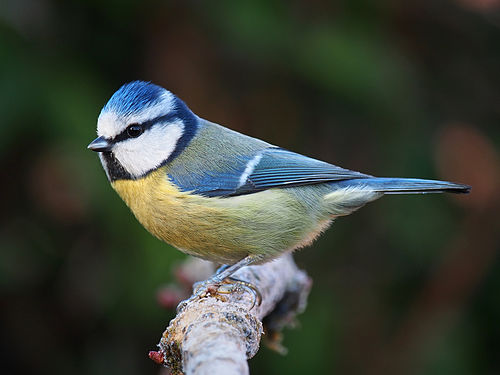
Blue Tit
Cyanistes caeruleus

Great Tit
Parus major
Global Distribution
Where this species is recorded worldwide. Restricted to human observations from 2019 onwards — the same kind of record and the same period the probabilities on this page are built from, so collar-tracking studies, camera-trap arrays and museum specimens are excluded. Around Santa Rosa that removes 5,924 GPS fixes from a handful of tagged jaguars.
where this species is recorded (GBIF density — it tracks where observers go, not how likely a sighting is) · parks where it occurs — tap a pin for the sighting probability there
Parks Where Found
Quick answers
What are the chances of seeing a Mistle Thrush in Ecrins National Park?
About 20% of wildlife watchers report a Mistle Thrush sighting in Ecrins National Park, based on 46 verified sightings from GBIF citizen-science data.
When is the best time to see Mistle Thrush in Ecrins National Park?
February has the highest sighting rate for Mistle Thrush in Ecrins National Park in our monthly data.