



Plain Martin
Riparia paludicola
Silhouette: Andy Wilson · PhyloPic
- KingdomAnimalia (Animals)
- PhylumChordata (Chordates)
- ClassAves (Birds)
- OrderPasseriformes (Perching Birds)
- FamilyHirundinidae (Swallows and Martins)
- GenusRiparia (Sand Martins, Plain Martins, and Allies)
- SpeciesRiparia paludicola (Plain Martin)
About the Plain Martin
The brown-throated martin, brown-throated sand martin or plain martin (Riparia paludicola) is a small passerine bird in the swallow family, Hirundinidae, that is widely distributed across Africa. It was formerly regarded as conspecific with the grey-throated martin (Riparia chinensis) and the Madagascar martin (Riparia cowani).
The brown-throated martin was formally described in 1817 by the French ornithologist Louis Pierre Vieillot. He placed it in the genus Hirundo and coined the binomial name Hirundo paludicola. The specific epithet paludicola is Latin meaning "marsh-dweller" (from palus, paludis meaning "swamp" and -cola meaning "dweller". Vieillot based his account on "L'hirondelle à front roux" from South Africa that had been described and illustrated in 1806 by François Levaillant. The brown-throated martin is now one of six martins placed in the genus Riparia that was introduced in 1817 by the German naturalist Johann Reinhold Forster. It was formerly considered to be conspecific with the grey-throated martin (Riparia chinensis) and the Madagascar martin (Riparia cowani).
Six subspecies are recognised. They differ in size and plumage tones of the upperparts... Wikipedia →
Recent sightings of Plain Martin in Pilanesberg National Park
LIVEiNaturalistClosest Relatives at Pilanesberg National Park
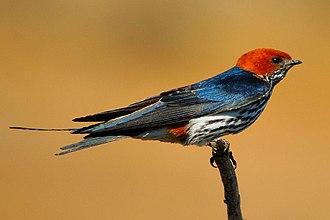
 Lesser Striped-Swallow
Cecropis abyssinica

 Pearl-breasted Swallow
Hirundo dimidiata

White-throated Swallow
Hirundo albigularis

Greater Striped-Swallow
Cecropis cucullata

Rufous-chested Swallow
Cecropis semirufa

Barn Swallow
Hirundo rustica

 Rock Martin
Ptyonoprogne fuligula

 House Martin
Delichon urbicum

 Common Bulbul
Pycnonotus barbatus

 Fork-tailed Drongo
Dicrurus adsimilis

 Pied Crow
Corvus albus

 Red-shouldered Glossy-starling
Lamprotornis nitens
Global Distribution
Warmer areas are where this animal is recorded most often.
Parks Where Found
Quick answers
What are the chances of seeing a Plain Martin in Pilanesberg National Park?
Under 5% of wildlife watchers report a Plain Martin sighting in Pilanesberg National Park, based on 8 verified sightings from GBIF citizen-science data.
When is the best time to see Plain Martin in Pilanesberg National Park?
August has the highest sighting rate for Plain Martin in Pilanesberg National Park in our monthly data.