


Spotted Thick-knee
Burhinus capensis
Silhouette: Auckland Museum · PhyloPic
- KingdomAnimalia (Animals)
- PhylumChordata (Chordates)
- ClassAves (Birds)
- OrderCharadriiformes (Shorebirds and Allies)
- FamilyBurhinidae (Stone-curlews and Thick-knees)
- GenusBurhinus (Typical Stone-curlews)
- SpeciesBurhinus capensis (Spotted Thick-knee)
About the Spotted Thick-knee
The spotted thick-knee (Burhinus capensis), also known as the spotted dikkop or Cape thick-knee, is a wader in the family Burhinidae. It is native to tropical regions of central and southern Africa. The spotted thick-knee, which can reach up to 45.5 cm (17.9 in) in height, has long legs and brown-and-white speckled plumage which provides camouflage, making it difficult to spot the bird in the grasslands and savannas where it roams. Its head is large and round with a prominent yellow eye and a short, stout beak. When in flight or standing in a characteristic position with its wings raised, it shows a striking contrasting pattern. Its legs are long and yellow and the tibiotarsal joint is expanded, giving it the name "thick-knee".
The spotted thick-knee is nocturnal and squats on the ground during the daytime, making it difficult to spot. It hunts exclusively on the ground, feeding on insects, small mammals and lizards. It nests on the ground, lining a scrape with grasses, feathers, pebbles and twigs. The female typically lays two eggs, and males and females rear the offspring together, with both bringing food back to the nest. The birds... Wikipedia →
Recent sightings of Spotted Thick-knee in Etosha National Park
LIVEiNaturalistClosest Relatives at Etosha National Park

 Water Thick-knee
Burhinus vermiculatus

 Blacksmith Lapwing
Vanellus armatus

Crowned Lapwing
Vanellus coronatus

 Double-banded Courser
Rhinoptilus africanus

 Black-winged Stilt
Himantopus himantopus

 Wood Sandpiper
Tringa glareola

 Ruff
Ruff
Calidris pugnax

 Little Stint
Calidris minuta

Common Greenshank
Tringa nebularia

 African Jacana
Actophilornis africanus

 Pied Avocet
Recurvirostra avosetta
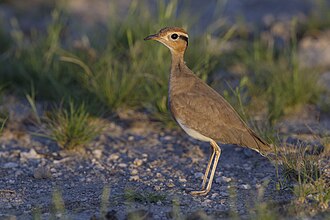
 Burchell's Courser
Cursorius rufus
Global Distribution
Warmer areas are where this animal is recorded most often.
Parks Where Found
Quick answers
What are the chances of seeing a Spotted Thick-knee in Etosha National Park?
About 10% of wildlife watchers report a Spotted Thick-knee sighting in Etosha National Park, based on 186 verified sightings from GBIF citizen-science data.
When is the best time to see Spotted Thick-knee in Etosha National Park?
December has the highest sighting rate for Spotted Thick-knee in Etosha National Park in our monthly data.