


Lesser Yellow-headed Vulture
Cathartes burrovianus
Silhouette: Jan Sevcik (photo), John E. McCormack, Michael G. Harvey, Brant C. Faircloth, Nicholas G. Crawford, Travis C. Glenn, Robb T. Brumfield & T. Michael Keesey · PhyloPic
- KingdomAnimalia (Animals)
- PhylumChordata (Chordates)
- ClassAves (Birds)
- OrderAccipitriformes (Hawks, Eagles, Kites, and Allies)
- FamilyCathartidae (New World Vultures)
- GenusCathartes (Turkey and Yellow-headed Vultures)
- SpeciesCathartes burrovianus (Lesser Yellow-headed Vulture)
About the Lesser Yellow-headed Vulture
The lesser yellow-headed vulture (Cathartes burrovianus), also known as the savannah vulture, is a species of bird in the New World vulture family Cathartidae. It was considered to be the same species as the greater yellow-headed vulture until they were split in 1964. It is found in Mexico, Central America, and South America in seasonally wet or flooded lowland grassland, swamps, and heavily degraded former forest. It is a large bird, with a wingspan of 150–165 cm (59–65 in). The body plumage is black, and the head and neck, which are featherless, are pale orange with red or blue areas. It lacks a syrinx, so therefore its vocalizations are limited to grunts or low hisses.
The lesser yellow-headed vulture feeds on carrion and locates carcasses by sight and by smell, an ability which is rare in birds. It is dependent on larger vultures, such as the king vulture, to open the hides of larger animal carcasses as its bill is not strong enough to do this. Like other New World vultures, the lesser yellow-headed vulture utilizes thermals to stay aloft with minimal effort. It lays its eggs on flat surfaces, such as the floors of caves, or in the hollows of stumps. It feeds its young by regurgitation... Wikipedia →
Recent sightings of Lesser Yellow-headed Vulture in Itatiaia National Park
LIVEiNaturalistClosest Relatives at Itatiaia National Park

 Turkey Vulture
Cathartes aura

 Black Vulture
Coragyps atratus

 King Vulture
Sarcoramphus papa

 Roadside Hawk
Rupornis magnirostris
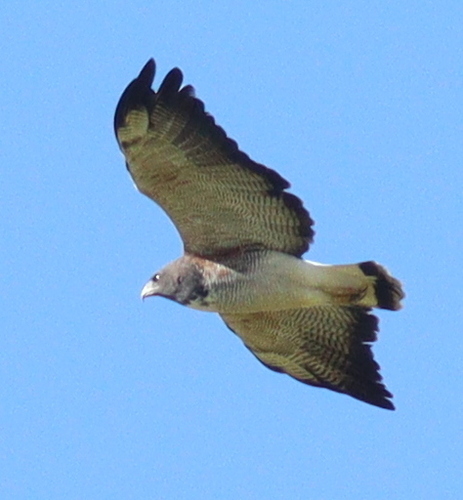
 White-tailed Hawk
Buteo albicaudatus

 Black Hawk-Eagle
Spizaetus tyrannus

Short-tailed Hawk
Buteo brachyurus

White-rumped Hawk
Percnohierax leucorrhous

Black-and-white Hawk-Eagle
Spizaetus melanoleucus

Rufous-thighed Kite
Harpagus diodon

Savanna Hawk
Buteogallus meridionalis

 Sharp-shinned Hawk
Accipiter striatus
Global Distribution
Warmer areas are where this animal is recorded most often.
Parks Where Found
Quick answers
What are the chances of seeing a Lesser Yellow-headed Vulture in Itatiaia National Park?
Under 5% of wildlife watchers report a Lesser Yellow-headed Vulture sighting in Itatiaia National Park, based on 39 verified sightings from GBIF citizen-science data.
When is the best time to see Lesser Yellow-headed Vulture in Itatiaia National Park?
June has the highest sighting rate for Lesser Yellow-headed Vulture in Itatiaia National Park in our monthly data.