


Eurasian Golden Oriole
Oriolus oriolus
- KingdomAnimalia (Animals)
- PhylumChordata (Chordates)
- ClassAves (Birds)
- OrderPasseriformes (Perching Birds)
- FamilyOriolidae (Old World Orioles)
- GenusOriolus (Old World Orioles)
- SpeciesOriolus oriolus (Eurasian Golden Oriole)
About the Eurasian Golden Oriole
The Eurasian golden oriole (Oriolus oriolus), also known as the common golden oriole, is a species of passerine bird, measuring approximately 24cm in length with a wingspan of 44-45cm, and the only Old World oriole breeding in Northern Hemisphere temperate regions. It is a summer migrant in Europe and the Palearctic and spends the winter season in central and southern Africa.
The Eurasian golden oriole was formally described by Carl Linnaeus in 1758 in the tenth edition of his Systema Naturae. He named the species Coracias oriolus, assigning it to the genus Coracias, which now contains only rollers. The species is now placed in the genus Oriolus that Linnaeus introduced in 1766, creating a tautonym.
The Eurasian golden oriole and the Indian golden oriole were formerly considered conspecific, but in 2005 they were treated as separate species by the ornithologists Pamela Rasmussen and John Anderton, in the first edition of their Birds of South Asia. Support for this split was provided by a molecular phylogenetic study published in 2010, and most ornithologists now treat the Indian golden oriole as a separate species. Alternate names for the Eurasian golden... Wikipedia →
Closest Relatives at Plitvice Lakes National Park

Chaffinch
Fringilla coelebs

Great Tit
Parus major

Eurasian Blackbird
Turdus merula

European Robin
Erithacus rubecula

Eurasian Nuthatch
Sitta europaea

Marsh Tit
Poecile palustris

Blackcap
Sylvia atricapilla

Common Chiffchaff
Phylloscopus collybita

Song Thrush
Turdus philomelos

Grey Wagtail
Motacilla cinerea

Eurasian Jay
Garrulus glandarius
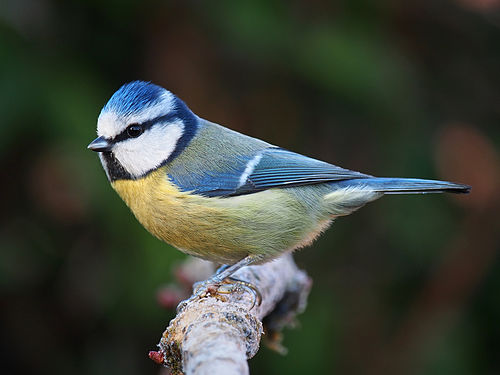
Blue Tit
Cyanistes caeruleus
Global Distribution
Where this species is recorded worldwide. Restricted to human observations from 2019 onwards — the same kind of record and the same period the probabilities on this page are built from, so collar-tracking studies, camera-trap arrays and museum specimens are excluded. Around Santa Rosa that removes 5,924 GPS fixes from a handful of tagged jaguars.
where this species is recorded (GBIF density — it tracks where observers go, not how likely a sighting is) · parks where it occurs — tap a pin for the sighting probability there
Parks Where Found
Quick answers
What are the chances of seeing a Eurasian Golden Oriole in Plitvice Lakes National Park?
About 10% of wildlife watchers report a Eurasian Golden Oriole sighting in Plitvice Lakes National Park, based on 38 verified sightings from GBIF citizen-science data.
When is the best time to see Eurasian Golden Oriole in Plitvice Lakes National Park?
June has the highest sighting rate for Eurasian Golden Oriole in Plitvice Lakes National Park in our monthly data.