



Green Sandpiper
Tringa ochropus
Silhouette: Andy Wilson · PhyloPic
- KingdomAnimalia (Animals)
- PhylumChordata (Chordates)
- ClassAves (Birds)
- OrderCharadriiformes (Shorebirds and Allies)
- FamilyScolopacidae (Sandpipers and Allies)
- GenusTringa (Shanks, Tattlers, and Allies)
- SpeciesTringa ochropus (Green Sandpiper)
About the Green Sandpiper
The green sandpiper (Tringa ochropus) is a small wader (shorebird) of the Old World. The green sandpiper represents an ancient lineage of the genus Tringa; its only close living relative is the solitary sandpiper (T. solitaria). They both have brown wings with little light dots and a delicate but contrasting neck and chest pattern. In addition, both species nest in trees, unlike most other scolopacids.
Given its basal position in Tringa, it is fairly unsurprising that suspected cases of hybridisation between this species and the common sandpiper (A. hypoleucos) of the sister genus Actitis have been reported. The green sandpiper was formally described by the Swedish naturalist Carl Linnaeus in 1758 in the tenth edition of his Systema Naturae under the current binomial name Tringa ochropus. The genus name Tringa is the Neo-Latin name given to the green sandpiper by Aldrovandus in 1599 based on Ancient Greek trungas, a thrush-sized, white-rumped, tail-bobbing wading bird mentioned by Aristotle. The specific ochropus is from Ancient Greek okhros, "ochre", and pous, "foot". The species is monotypic: no subspecies are recognised.
This species is a somewhat... Wikipedia →
Recent sightings of Green Sandpiper in Fertő-Hanság National Park
LIVEiNaturalistClosest Relatives at Fertő-Hanság National Park

 Common Redshank
Tringa totanus

Wood Sandpiper
Tringa glareola

Spotted Redshank
Tringa erythropus

Common Greenshank
Tringa nebularia

Marsh Sandpiper
Tringa stagnatilis

 Eurasian Curlew
Numenius arquata

 Ruff
Ruff
Calidris pugnax

 Dunlin
Calidris alpina

 Black-tailed Godwit
Limosa limosa

 Common Sandpiper
Actitis hypoleucos

 Common Snipe
Gallinago gallinago

Little Stint
Calidris minuta
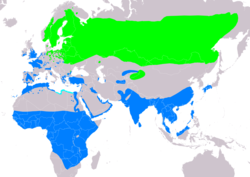
Global Distribution
Warmer areas are where this animal is recorded most often.
Parks Where Found
Quick answers
What are the chances of seeing a Green Sandpiper in Fertő-Hanság National Park?
About 10% of wildlife watchers report a Green Sandpiper sighting in Fertő-Hanság National Park, based on 220 verified sightings from GBIF citizen-science data.
When is the best time to see Green Sandpiper in Fertő-Hanság National Park?
August has the highest sighting rate for Green Sandpiper in Fertő-Hanság National Park in our monthly data.