


Green Sandpiper
Tringa ochropus
Silhouette: Andy Wilson · PhyloPic
- KingdomAnimalia (Animals)
- PhylumChordata (Chordates)
- ClassAves (Birds)
- OrderCharadriiformes (Shorebirds and Allies)
- FamilyScolopacidae (Sandpipers and Allies)
- GenusTringa (Shanks, Tattlers, and Allies)
- SpeciesTringa ochropus (Green Sandpiper)
About the Green Sandpiper
The green sandpiper (Tringa ochropus) is a small wader (shorebird) of the Old World. The green sandpiper represents an ancient lineage of the genus Tringa; its only close living relative is the solitary sandpiper (T. solitaria). They both have brown wings with little light dots and a delicate but contrasting neck and chest pattern. In addition, both species nest in trees, unlike most other scolopacids.
Given its basal position in Tringa, it is fairly unsurprising that suspected cases of hybridisation between this species and the common sandpiper (A. hypoleucos) of the sister genus Actitis have been reported. The green sandpiper was formally described by the Swedish naturalist Carl Linnaeus in 1758 in the tenth edition of his Systema Naturae under the current binomial name Tringa ochropus. The genus name Tringa is the Neo-Latin name given to the green sandpiper by Aldrovandus in 1599 based on Ancient Greek trungas, a thrush-sized, white-rumped, tail-bobbing wading bird mentioned by Aristotle. The specific ochropus is from Ancient Greek okhros, "ochre", and pous, "foot". The species is monotypic: no subspecies are recognised.
This species is a somewhat... Wikipedia →
Recent sightings of Green Sandpiper in Kinabatangan Wildlife Sanctuary
LIVEiNaturalistClosest Relatives at Kinabatangan Wildlife Sanctuary

 Wood Sandpiper
Tringa glareola

 Grey-tailed Tattler
Tringa brevipes

Common Redshank
Tringa totanus

 Common Sandpiper
Actitis hypoleucos

 Long-toed Stint
Calidris subminuta

 Whiskered Tern
Chlidonias hybrida

White-winged Tern
Chlidonias leucopterus

 Oriental Pratincole
Glareola maldivarum

 Little Tern
Sternula albifrons

 Black-naped Tern
Sterna sumatrana

Roseate Tern
Sterna dougallii

 Crested Tern
Thalasseus bergii
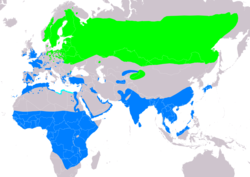
Global Distribution
Warmer areas are where this animal is recorded most often.