



Grey Wagtail
Motacilla cinerea
Silhouette: Martin Bulla, based on Ren Hathway's illustration · PhyloPic
- KingdomAnimalia (Animals)
- PhylumChordata (Chordates)
- ClassAves (Birds)
- OrderPasseriformes (Perching Birds)
- FamilyMotacillidae (Wagtails and Pipits)
- GenusMotacilla (Wagtails)
- SpeciesMotacilla cinerea (Grey Wagtail)
About the Grey Wagtail
The grey wagtail (Motacilla cinerea) is a member of the wagtail family, Motacillidae, measuring around 18–19 cm overall length. The species looks somewhat similar to the yellow wagtail but has the yellow on its underside restricted to the throat and vent. Breeding males have a black throat. The species is widely distributed, with several populations breeding in Eurosiberia and migrating to tropical regions in Asia and Africa. The species is always associated with running water when breeding, although they may use man-made structures near streams for the nest. Outside the breeding season, they may also be seen around lakes, coasts and other watery habitats. Like other wagtails, they frequently wag their tail and fly low with undulations and they have a sharp call that is often given in flight.
The binomial name of the grey wagtail Motacilla cinerea was introduced by Marmaduke Tunstall in his 1771 publication Ornithologia Britannica. Motacilla is the Latin name for the pied wagtail; although actually a diminutive of motare, "to move about", from medieval times it led to the misunderstanding of cilla as "tail". The specific cinerea is Latin for "ash-grey... Wikipedia →
Recent sightings of Grey Wagtail in Sundarbans National Park
LIVEiNaturalistClosest Relatives at Sundarbans National Park

 Western Yellow Wagtail
Motacilla flava

Eastern Yellow Wagtail
Motacilla tschutschensis

White Wagtail
Motacilla alba

Citrine Wagtail
Motacilla citreola
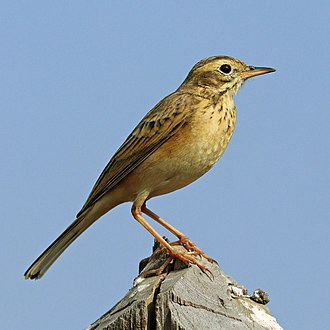
 Oriental Pipit
Anthus rufulus

 Forest Wagtail
Dendronanthus indicus

 Olive-backed Pipit
Anthus hodgsoni

 Large-billed Crow
Corvus macrorhynchos

 Oriental Magpie-Robin
Copsychus saularis

 Bronzed Drongo
Dicrurus aeneus

 Small Minivet
Pericrocotus cinnamomeus

Black Drongo
Dicrurus macrocercus
Global Distribution
Warmer areas are where this animal is recorded most often.
Parks Where Found
Quick answers
What are the chances of seeing a Grey Wagtail in Sundarbans National Park?
Under 5% of wildlife watchers report a Grey Wagtail sighting in Sundarbans National Park, based on 21 verified sightings from GBIF citizen-science data.
When is the best time to see Grey Wagtail in Sundarbans National Park?
October has the highest sighting rate for Grey Wagtail in Sundarbans National Park in our monthly data.