



Plumbeous Kite
Ictinia plumbea
Silhouette: Andy Wilson · PhyloPic
- KingdomAnimalia (Animals)
- PhylumChordata (Chordates)
- ClassAves (Birds)
- OrderAccipitriformes (Hawks, Eagles, Kites, and Allies)
- FamilyAccipitridae (Hawks, Eagles, and Kites)
- GenusIctinia (Mississippi and Plumbeous Kites)
- SpeciesIctinia plumbea (Plumbeous Kite)
About the Plumbeous Kite
The plumbeous kite (Ictinia plumbea) is a bird of prey in the family Accipitridae that is resident in much of northern South America. It is migratory in the northern part of its range which extends north to Mexico. It feeds on insects which it catches either from a perch or while in flight.
The plumbeous kite was formally described in 1788 by the German naturalist Johann Friedrich Gmelin in his revised and expanded edition of Carl Linnaeus's Systema Naturae. He placed it with the eagles, hawks and relatives in the genus Falco and coined the binomial name Falco plumbeus. Gmelin based his description on the "spotted-tailed hawk" that had been described in 1781 by the English ornithologist John Latham from a specimen from Cayenne in a private collection in London. It is now placed with the Mississippi kite in the genus Ictinia that was introduced in 1816 by the French ornithologist Louis Pierre Vieillot. The genus name is from the Ancient Greek iktinos for a kite. The specific epithet plumbea is from Latin plumbeus meaning "leaded", "plumbeous" or "lead-coloured". The species is monotypic: no subspecies are recognised.
The plumbeous kite is 34–37.5 cm... Wikipedia →
Recent sightings of Plumbeous Kite in Chapada dos Guimarães National Park
LIVEiNaturalistClosest Relatives at Chapada dos Guimarães National Park

 Mississippi Kite
Ictinia mississippiensis

 Roadside Hawk
Rupornis magnirostris

 American Swallow-tailed Kite
Elanoides forficatus

 Gray-lined Hawk
Buteo nitidus

 White Hawk
Leucopternis albicollis

Short-tailed Hawk
Buteo brachyurus

Pearl Kite
Gampsonyx swainsonii
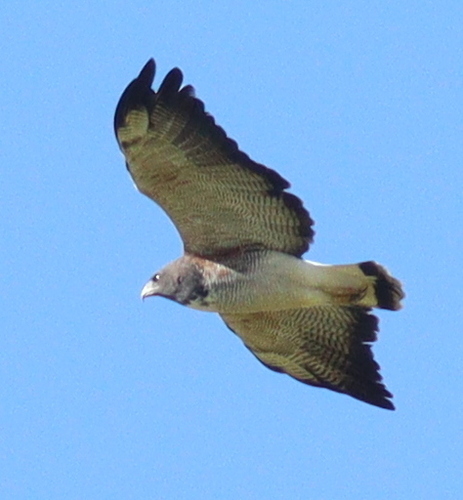
White-tailed Hawk
Buteo albicaudatus

Chaco Eagle
Harpyhaliaetus coronatus

Savanna Hawk
Buteogallus meridionalis

 White-tailed Kite
Elanus leucurus

Crane Hawk
Geranospiza caerulescens
Global Distribution
Warmer areas are where this animal is recorded most often.
Parks Where Found
Quick answers
What are the chances of seeing a Plumbeous Kite in Chapada dos Guimarães National Park?
About 20% of wildlife watchers report a Plumbeous Kite sighting in Chapada dos Guimarães National Park, based on 149 verified sightings from GBIF citizen-science data.
When is the best time to see Plumbeous Kite in Chapada dos Guimarães National Park?
October has the highest sighting rate for Plumbeous Kite in Chapada dos Guimarães National Park in our monthly data.