



Willow Warbler
Phylloscopus trochilus
Silhouette: Margot Michaud · PhyloPic
- KingdomAnimalia (Animals)
- PhylumChordata (Chordates)
- ClassAves (Birds)
- OrderPasseriformes (Perching Birds)
- FamilyPhylloscopidae (Leaf Warblers)
- GenusPhylloscopus (Leaf Warblers)
- SpeciesPhylloscopus trochilus (Willow Warbler)
About the Willow Warbler
The willow warbler (Phylloscopus trochilus) is a very common and widespread leaf warbler which breeds throughout northern and temperate Europe and the Palearctic, from Ireland east to the Anadyr River basin in eastern Siberia. It is strongly migratory, with almost all of the population wintering in sub-Saharan Africa.
It is a bird of open woodlands with trees and ground cover for nesting, including most importantly birch, alder, and willow habitats. The nest is usually built in close contact with the ground, often in low vegetation. Like most Old World warblers (Sylviidae), this small passerine is insectivorous. In northern Europe, it is one of the first warblers to return in the spring, though later than the closely related chiffchaff. In spite of its small size, the willow warbler performs one of the longest migrations of any animal.
The willow warbler was formally described by the Swedish naturalist Carl Linnaeus in 1758 in the tenth edition of his Systema Naturae under the binomial name Motacilla trochilus. The willow warbler is now one of around 80 species placed in the genus Phylloscopus that was introduced by the German zoologist Friedrich Boie in 1826. The genus... Wikipedia →
Recent sightings of Willow Warbler in Queen Elizabeth National Park
LIVEiNaturalistClosest Relatives at Queen Elizabeth National Park

 Red-faced Woodland-Warbler
Phylloscopus laetus

 Black-headed Gonolek
Laniarius erythrogaster

 Rüppell's Glossy-starling
Lamprotornis purpuroptera

 Common Bulbul
Pycnonotus barbatus

 Grey-backed Fiscal
Lanius excubitoroides

Yellow-throated Longclaw
Macronyx croceus

 Pin-tailed Whydah
Vidua macroura

Red-billed Firefinch
Lagonosticta senegala

 White-browed Robin-Chat
Cossypha heuglini

Black-headed Weaver
Ploceus melanocephalus
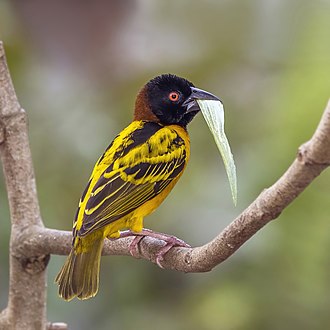
Village Weaver
Ploceus cucullatus

 Northern Grey-headed Sparrow
Passer griseus
Global Distribution
Warmer areas are where this animal is recorded most often.
Parks Where Found
Quick answers
What are the chances of seeing a Willow Warbler in Queen Elizabeth National Park?
Under 5% of wildlife watchers report a Willow Warbler sighting in Queen Elizabeth National Park, based on 57 verified sightings from GBIF citizen-science data.
When is the best time to see Willow Warbler in Queen Elizabeth National Park?
March has the highest sighting rate for Willow Warbler in Queen Elizabeth National Park in our monthly data.