


Red-backed Shrike
Lanius collurio
Silhouette: Zeynel Cebeci · PhyloPic
- KingdomAnimalia (Animals)
- PhylumChordata (Chordates)
- ClassAves (Birds)
- OrderPasseriformes (Perching Birds)
- FamilyLaniidae (Shrikes)
- GenusLanius (Typical Shrikes)
- SpeciesLanius collurio (Red-backed Shrike)
About the Red-backed Shrike
The red-backed shrike (Lanius collurio) is a carnivorous passerine bird and member of the shrike family, Laniidae. Its breeding range stretches from Western Europe east to central Russia. It is migratory and winters in the eastern areas of tropical Africa and southern Africa.
The red-backed shrike was formally described by the Swedish naturalist Carl Linnaeus in 1758 in the tenth edition of his Systema Naturae under its current binomial name Lanius collurio. The genus name, Lanius, is derived from the Latin word for "butcher", and some shrikes are also known as "butcher birds" because of their feeding habits. The specific collurio is from Ancient Greek kollurion, a bird mentioned by Aristotle. The common English name "shrike" is from Middle English *schrike, *schryke, from Old English sċrīc, "shriek", from the same root as shriek and screech, referring to the bird's shrill cry or call.
This 16–18 cm-long (6.3–7.1 in) migratory bird eats large insects, small birds, frogs, rodents and lizards. Like other shrikes it hunts from prominent perches, and impales corpses on thorns or barbed wire as a "larder." This practice has earned it the nickname of "butcher... Wikipedia →
Recent sightings of Red-backed Shrike in Semuliki National Park
LIVEiNaturalistClosest Relatives at Semuliki National Park

 Grey-backed Fiscal
Lanius excubitoroides

Northern Fiscal
Lanius humeralis

Mackinnon's Shrike
Lanius mackinnoni

 Crested Malimbe
Malimbus malimbicus

 Red-tailed Greenbul
Criniger calurus

Western Nicator
Nicator chloris

 Fraser's Rufous Thrush
Stizorhina fraseri
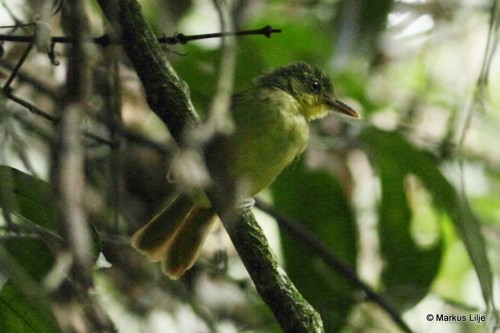
Xavier's Greenbul
Phyllastrephus xavieri

Red-tailed Ant-Thrush
Neocossyphus rufus

 Common Bulbul
Pycnonotus barbatus

Little Greenbul
Eurillas virens

 Black-headed Paradise-Flycatcher
Terpsiphone rufiventer
Global Distribution
Warmer areas are where this animal is recorded most often.