


Turkey Vulture
Cathartes aura
Silhouette: Jan Sevcik (photo), John E. McCormack, Michael G. Harvey, Brant C. Faircloth, Nicholas G. Crawford, Travis C. Glenn, Robb T. Brumfield & T. Michael Keesey · PhyloPic
- KingdomAnimalia (Animals)
- PhylumChordata (Chordates)
- ClassAves (Birds)
- OrderAccipitriformes (Hawks, Eagles, Kites, and Allies)
- FamilyCathartidae (New World Vultures)
- GenusCathartes (Turkey and Yellow-headed Vultures)
- SpeciesCathartes aura (Turkey Vulture)
About the Turkey Vulture
The turkey vulture (Cathartes aura) is the most widespread of the New World vultures. One of three species in the genus Cathartes of the family Cathartidae, the turkey vulture ranges from southern Canada to the southernmost tip of South America. It inhabits a variety of open and semi-open areas, including subtropical forests, shrublands, pastures, and deserts.
Like all New World vultures, it is not closely related to the Old World vultures of Europe, Africa, and Asia. However, the two groups strongly resemble each other due to convergent evolution. The turkey vulture is a scavenger and feeds almost exclusively on carrion. It finds its food using its keen eyes and sense of smell, flying low enough to detect the gasses produced by the early stages of decay in dead animals. In flight, it uses thermals to move through the air, flapping its wings infrequently. It roosts in large community groups. Lacking a syrinx—the vocal organ of birds—its only vocalizations are grunts or low hisses. It nests in caves, hollow trees, or thickets. Each year it generally raises two chicks, which it feeds by regurgitation. It has very few natural predators. In the United States, the vulture receives legal protection under the Migratory Bird Treaty Act of 1918. Wikipedia →
Recent sightings of Turkey Vulture in Monteverde Cloud Forest Reserve
LIVEiNaturalistClosest Relatives at Monteverde Cloud Forest Reserve

 Black Vulture
Coragyps atratus

 King Vulture
Sarcoramphus papa

 American Swallow-tailed Kite
Elanoides forficatus

 Ornate Hawk-Eagle
Spizaetus ornatus

Common Black-Hawk
Buteogallus anthracinus

 Broad-winged Hawk
Buteo platypterus

 Gray-lined Hawk
Buteo nitidus

Great Black-Hawk
Buteogallus urubitinga

Short-tailed Hawk
Buteo brachyurus

White Hawk
Leucopternis albicollis

Red-tailed Hawk
Buteo jamaicensis
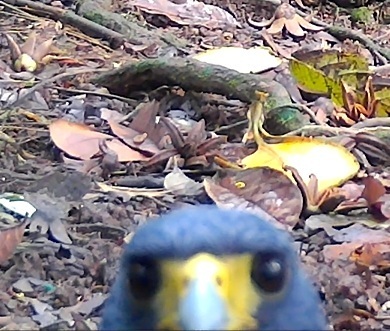
Barred Hawk
Leucopternis princeps
Global Distribution
Warmer areas are where this animal is recorded most often.
Parks Where Found
Quick answers
What are the chances of seeing a Turkey Vulture in Monteverde Cloud Forest Reserve?
About 30% of wildlife watchers report a Turkey Vulture sighting in Monteverde Cloud Forest Reserve, based on 3,459 verified sightings from GBIF citizen-science data.
When is the best time to see Turkey Vulture in Monteverde Cloud Forest Reserve?
March has the highest sighting rate for Turkey Vulture in Monteverde Cloud Forest Reserve in our monthly data.